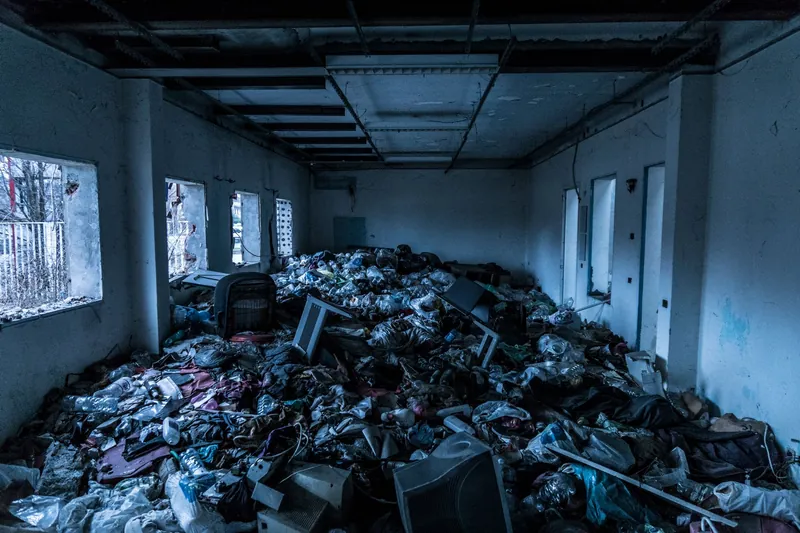
Hoarding Cleanup
Respectful sorting, item removal and deep cleaning are included in hoarding cleanup.
See hoarding cleanupRemove animal waste, urine-soaked materials, contaminated clutter and ammonia odor from a home or rental in Red Boiling Springs. Personal property is sorted before affected surfaces are cleaned.
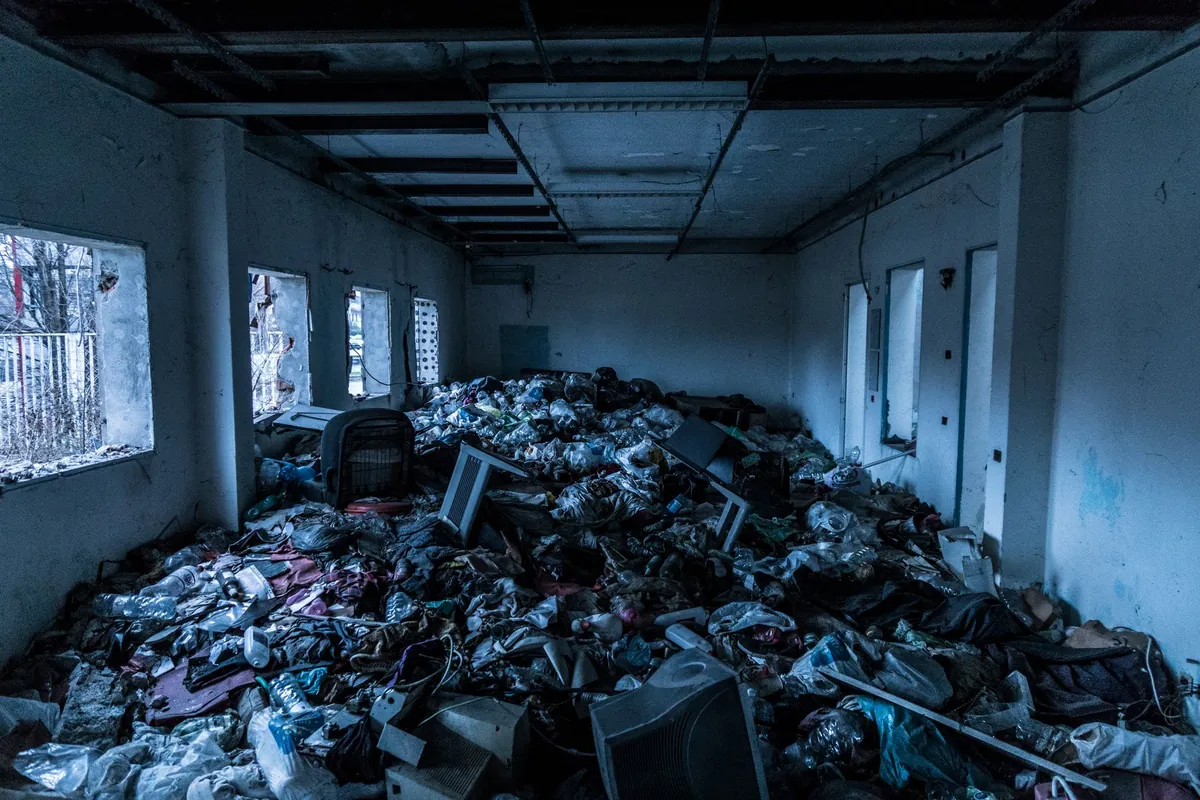
Animal hoarding cleanup takes away feces, urine, soiled clutter and porous materials that are too damaged to remain. It continues with cleaning and disinfection of exposed surfaces, followed by treatment of odor sources.
The responsible person or agency must first secure or remove every living animal. Cleanup personnel are not responsible for determining legal custody, ownership or veterinary care. Their work centers on restoring access to affected areas, distinguishing personal belongings from waste and dealing with remaining contamination.
A home may need hoarding cleanup services, waste disposal, biohazard remediation and restoration services in different rooms. Hard, non-porous items may be cleanable. Carpet, padding, drywall, insulation, cabinets or subfloor may need removal when urine or feces has soaked through. The scope depends on what is found beneath the accumulation, not only what is visible at the door.
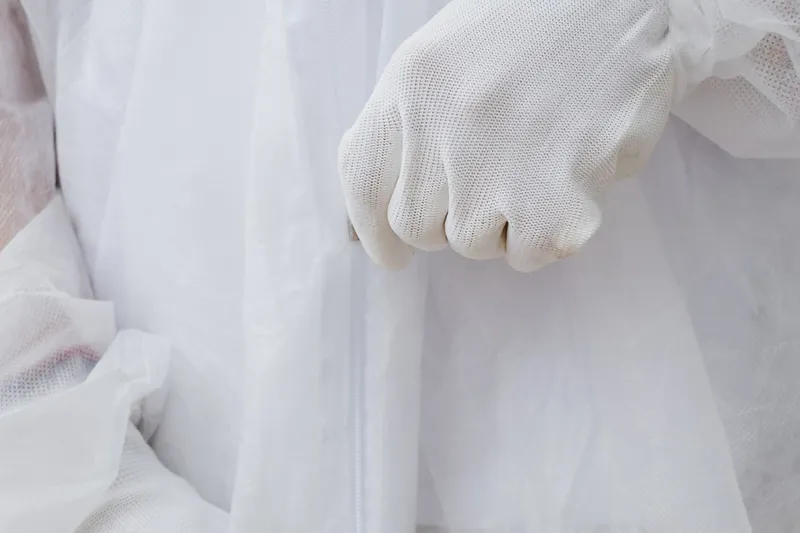
Work boundaries and protective equipment reflect risks from animal waste, sharp objects, unsafe piles and contaminated materials, preventing spread into clean areas.
You stay involved in decisions about personal property. Important papers, photographs, medication and uncertain items are separated before approved contents leave the home.
By outlining sorting, contents removal, cleaning, disinfection, odor work and repairs individually, the plan explains every step and the factors affecting cost. A detailed plan lets you determine whether the cleanup process is appropriate for the property.
Crews arrive in unmarked vehicles. Work zones, bagging and loading can be planned to limit unnecessary attention around the property.
Animal hoarding clean up is needed when waste and accumulation make ordinary cleaning unsafe, incomplete or emotionally unmanageable. Common situations include:
You need to understand every instruction from the housing office, animal control or other local authority prior to moving belongings or evidence.
Cages, damaged home contents, litter, feces and urine require controlled cleaning after all living animals have been taken to safety.
A tenant, property owner or estate representative needs contaminated contents documented, removed and cleaned after access and personal property decisions are settled.
The actual extent of affected areas stays hidden when waste, crates and personal items close off paths to bedrooms, bathrooms, utilities or doors.
Start with animal safety, permission to enter and a clear limit around the contaminated space. These first steps protect you, the animals and important belongings:
Call (888) 351-0904One published animal waste range begins at $500 and reaches $8,000. Another source's range starts at $500 and extends to $5,000. Biohazard handling in a hoarded home has a published span beginning at $1,500 and ending at $5,000. Treat these amounts as planning ranges rather than a quote. Waste volume, time accumulated, impacted materials, odor work and disposal requirements shape the scope at your property.
The figures shown are national ranges from published cost guides and are not based on an on-site visit. An on-site assessment determines your property's price, which is explained to you before the cleanup starts.
Ask about cost: (888) 351-0904Insurance coverage for animal hoarding cleanup is not automatic. The cause of the damage, policy language, responsibility for the property and the portions of cleaning accepted by the insurance company all affect payment.
Find out whether a defined event qualifies for coverage and how the policy addresses animal waste, gradual damage, maintenance work, contents removal and odor control.
Who schedules the work and covers the bill may depend on the lease, property records and local rules. The renter and owner should resolve entry and authorization before anyone relocates personal property.
The authorized estate representative should identify who may approve sorting, removal and payment. Before the cleanup service removes affected contents, valuable documents and keepsakes need placement in a separate area.
For insurance assistance, find out the applicable loss cause, required records and images, whether repairs are separate from waste removal and how your deductible changes payment. Keep the scope and receipts.
Each property is different, yet a safe sequence normally begins with clearing animals and assessing hazards. Sorting and removal come next, followed by cleaning and the closing walkthrough. The stages are:
Before anyone enters, the person in charge verifies safe placement for every living animal and confirms that the property is accessible. An on-site inspection maps waste, closed paths, odors, affected materials and official restrictions in every situation.
Work zones are separated from clean areas. Cleanup technicians plan where contaminated materials will exit and select protective gear suited to the hazards, avoiding belongings kept safe.
A protected decision space holds documents, photos, medicines, keys and meaningful belongings. You identify what to keep, consider later, donate or discard before removal begins.
A controlled collection order applies when cleanup involves litter, loose animal waste, damaged cages, ruined contents and clutter you approve. No heavy bag is dragged through an unaffected room.
Following exposure, carpet, padding, drywall, insulation, cabinets and subflooring are checked. Materials that cannot be fully cleaned may be removed under the applicable waste rules.
Before disinfection, affected non-porous surfaces receive cleaning. For needed disinfection, the surface remains wet with an EPA-registered product throughout the contact period shown on the label.
Workers first take out animal waste and damaged absorbent materials. Remaining odor and particles can then be addressed through HEPA vacuuming, air scrubbing and focused treatments.
Clean rooms, retained items and removed contents are ready for your inspection. The plan lists restoration services separately for further pest control, structural work, floor replacement or other needs.
Call at any time. You speak with an animal hoarding cleanup specialist who outlines the process and schedules a start time with you.
You may face germs, airborne particles, irritating ammonia, pest activity and dangerous footing where animal waste has built up, particularly inside rooms with little ventilation.
Animal feces can carry microorganisms and contaminate hands, shoes and nearby surfaces. Dry sweeping can put dust into the air. Because major buildup may create serious health concerns, collection should keep the waste from entering rooms that remain clean.
Strong odors from concentrated urine may irritate your eyes and airways. Urine may have soaked into hidden absorbent material beyond the reach of surface cleaning when a powerful smell remains.
Seeing the property's condition while worrying about the animals can be upsetting. Setting aside a protected keepsake area and writing the sorting process lets you consider personal property at a measured pace. The organized process lets you move forward through the home area by area.
Can you clean it yourself? A small, recent pet accident on a sealed, non-porous surface may be cleaned with gloves and a suitable cleaner. Follow an EPA-registered disinfectant label and its full contact time when disinfection is needed. Professional cleanup is needed for waste spread across a broad area, absorbed into porous surfaces, tangled with clutter or sharp hazards, or causing airborne irritation.
Animal hoarding clean up can require one day when the affected space is limited, or several days when several rooms are involved. A whole house may take longer if pathways are blocked, belongings must be sorted, building materials are contaminated or repairs follow the cleaning.
| Scene | Typical time on site |
|---|---|
| One contained space with an open path | May take about one day |
| Multiple rooms that require sanitation and item decisions | May take several days |
| Whole-home cleanup involving material removal and repairs | Timing is set after assessment |
Odor work starts by locating and removing each source. Animal feces, used litter and urine-damaged carpet, padding, cabinets, drywall or subfloor can continue to smell. Fragrance may hide that smell briefly, but the contaminated material remains and the area is still not clean.
Once odor sources are gone, hard surfaces can be cleaned and, when appropriate, disinfected. During professional work, air scrubbers and HEPA vacuuming may lower airborne particles. Odor lingering beside walls, within floor joints, around cabinets or near vents can indicate hidden contamination that needs inspection. If ozone is part of treatment, the space must be vacant and controlled, with careful operation. No person or animal should remain during that treatment.
Under OSHA Bloodborne Pathogens Standard, 29 CFR 1910.1030, workers need training, exposure precautions and protective equipment if they may contact human blood or potentially infectious material.
A disinfectant should be EPA-registered for the intended use and remain on the surface for the full contact time on its label. Disinfection follows the cleaning of visible material.
Tennessee treats soaked materials from a biohazard scene as medical waste, a type of special waste. Rules from the Department of Environment and Conservation's Division of Solid Waste Management control its treatment and disposal, so it cannot go in household trash.
Any written direction from the owner, a court, law enforcement, housing officials or animal control should guide your actions. Animal custody and lawful property access must be confirmed before cleanup can start.
The full animal hoarding cleanup guide covers what is cleaned or removed, odor and air quality work, and the rules that apply in Tennessee and Macon County.
Read the full animal hoarding cleanup guide
Local housing, population and access details can shape containment, access and cleanup planning.
Because 53.1% of homes are renter occupied, early notice to the property contact can reduce delays before contaminated materials are addressed.
Because the median home dates to 1977, cleanup plans should distinguish washable surfaces from absorbent carpet, padding, and wallboard.
Although the share is 23.6%, seniors living alone can still face delayed discovery after an illness, injury, or death.
Single-family homes represent 63.3% of housing in Red Boiling Springs, creating a mix of detached properties and buildings with shared spaces.
Ask on the call about cleanup options for neighboring communities and ZIP codes.
Respectful sorting, item removal and deep cleaning are included in hoarding cleanup.
See hoarding cleanup
Hoarder house cleanout from the first room to the last, with trash hauled away.
See hoarder house cleanout
Filth and squalor cleanup for homes that have become unsafe to live in.
See filth and squalor cleanup
Any property receives disinfection after removal of infectious materials, including bodily fluids and blood.
See biohazard cleanup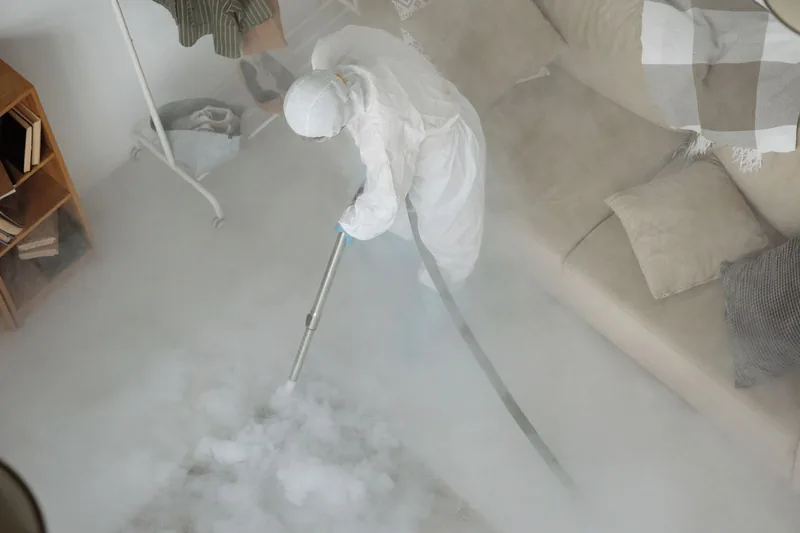
Full decontamination of rooms, surfaces and air after infectious or hazardous exposure.
See biohazard decontamination
Human feces cleanup and disinfection in homes, rentals and public restrooms.
See human feces cleanup
For furnishings, flooring and subfloors, urine cleanup includes odor removal.
See urine cleanup
At the source, death odor removal uses air scrubbers plus hydroxyl and ozone treatment.
See death odor removalYour first steps are confirming permission to enter and ensuring the safety of every living animal. Set up a safe space for documents and meaningful items. Collect approved clutter and waste while preventing affected material from crossing into rooms that remain clean. Evaluate affected walls, cabinets and porous floor materials, followed by cleaning and any necessary disinfection of exposed hard areas. Remove the odor source before starting treatment.
Your decision area should hold identification, animal papers, photographs, letters, medication, keys and anything valuable. After inspection, belongings with sealed and non-absorbent surfaces may be suitable for cleaning. Deep contamination by urine or feces makes restoration more difficult for papers, textiles, raw wood and upholstered belongings. The authorized decision maker must approve disposal of any belongings whose status is unclear.
Check the animal custody decision, your legal right to enter and all guidance from animal control and housing officials. Do not allow pets or children inside contaminated rooms. Leave animal feces unswept and unsafe stacks undisturbed. Write down the important documents, medicines, photos and valuable items you need located. Describe exit blockages, odor, pests, sharp objects and apparent structural damage prior to the assessment.
Often, but the source must be found first. Washing exposed surfaces may leave urine behind inside cabinets, drywall, the subfloor or padding beneath carpet. Materials that cannot be cleaned may need removal. Targeted work on air quality and cleaning of solid surfaces can begin following removal of the source. A returning smell generally means a hidden affected area has not yet been addressed.
The policy terms and source of the damage determine coverage. A policy may distinguish damage developing over time, normal cleaning, removal of contents and another event that qualifies for coverage. Find out from the insurance company which loss cause applies, what records to submit, how repair differs from waste removal and how your deductible changes payment.
Not every home requires animal control involvement, though all living animals need to reach safety prior to cleanup. If an agency, court or law enforcement is already involved, follow its directions and confirm that the property may be entered. Cleanup workers do not decide ownership or custody. Before anyone relocates records, cages or impacted items, answers to those questions must be established.
You can request respectful, discreet animal hoarding cleanup 24 hours a day, and crews use unmarked vehicles.