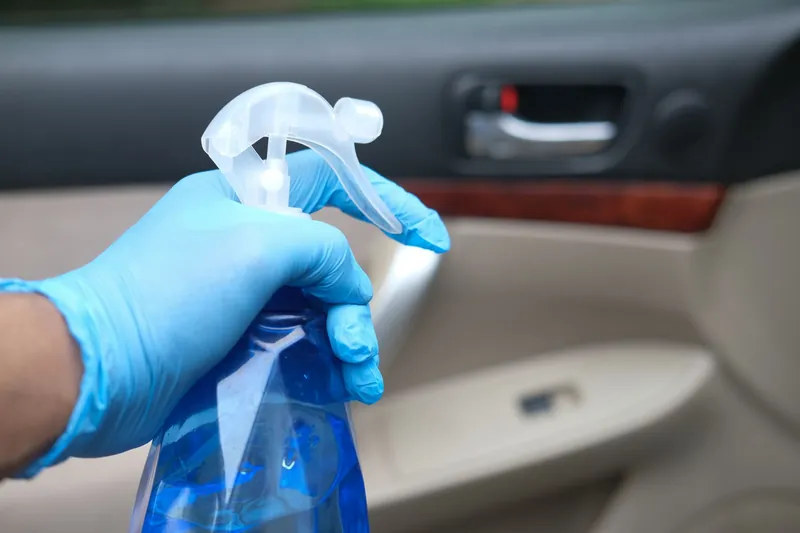
Police and Ambulance Vehicle Decontamination
Decontamination of police cars, ambulances and transport vehicles.
See police and ambulance vehicle decontaminationGet blood, bodily fluids, waste and odor removed from a car, truck, RV or boat in Mount Juliet. Vehicle biohazard remediation reaches hidden contamination in seats, carpet, trim and the air system.
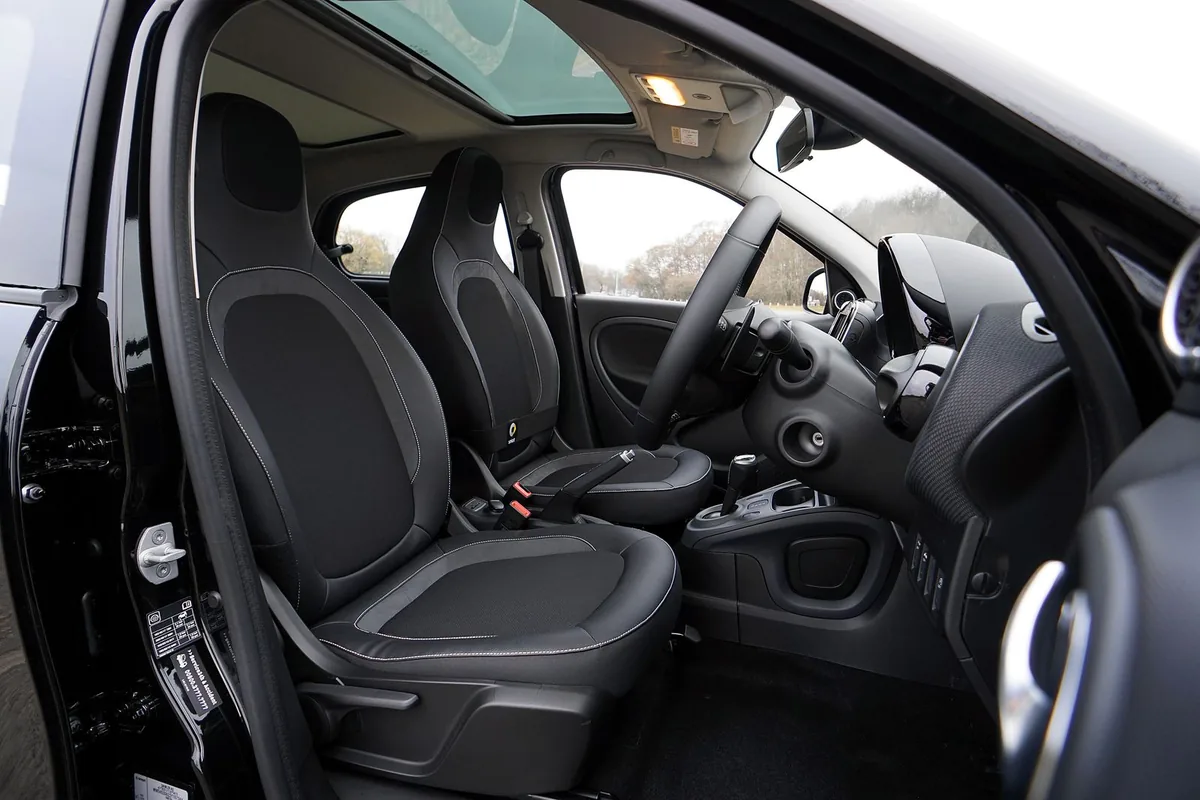
Careful removal of blood, waste from people or animals, body fluids and other contamination from a car, RV, truck, fleet vehicle or boat is vehicle biohazard cleanup. After removal, the affected area is cleaned, disinfected and treated for odor.
A vehicle interior has many hidden pathways. Liquid can pass through a seat cover into foam, run beneath carpet, collect along trim clips and reach wiring channels. Airflow can also carry odor into the cabin filter and vents. Ordinary detailing focuses on appearance, while vehicle biohazard remediation follows the contamination into the affected area and surrounding areas.
The cleanup involves a controlled inspection, protective equipment, removal of material that cannot be fully disinfected, detailed surface cleaning and hazardous waste disposal. EPA-registered disinfectants are left wet for the full contact time on the label. This gives you a clear line between items that can stay and interior parts that need removal.
Cleanup photos, the defined scope and a removal inventory may be arranged for the insurance company, vehicle fleet manager or property owner.
You help decide how paperwork, equipment and personal items are separated. Items are not treated as waste simply because they were inside the vehicle.
Learn about the vehicle inspection process before you select a cleanup company. Before you move forward, learn what the inspection found, which components may remain, what needs removal and what can change the cost.
Phone help is available during the day or night, with workers arriving in unmarked vehicles. You are free to describe what occurred in private and consider the next action without being pressured.
Every situation is different, but biohazard vehicle cleaning services are needed when contamination goes beyond a small mark that can be safely wiped from a hard surface. These are common reasons to keep the vehicle closed and ask for an inspection:
Sharps associated with drug use may cause both needlestick and exposure risks. Do not reach beneath seats or into door pockets where sharp items may be hidden.
A vehicle death may affect air quality along with seat foam, trim and floor coverings. Removing the source precedes both disinfection and odor removal.
Taxis, rideshare cars, work trucks and emergency response vehicles may need a documented cleaning process before the affected vehicle returns to service.
After law enforcement releases a vehicle connected to a crime or traumatic event, a cleaning service can address contamination without asking you or your loved ones to face it.
Before a cleanup inspection, your priority is to avoid contact and stop contamination from moving within the cabin. Follow these precautions until technicians can examine the vehicle:
Call (888) 351-0904Published vehicle biohazard cleanup prices run from $500 to $5,000. The eventual cost reflects what materials are inside, the event's severity, how long ago it occurred and whether air-system decontamination is required. Inspection is necessary since contamination under carpeting or seating may be impossible to see while looking through a door.
These national ranges are taken from published cost guides, rather than a property visit. After an on-site assessment, the price for your property is determined and shared with you before cleanup begins.
Ask about cost: (888) 351-0904Vehicle biohazard cleanup may be covered by auto insurance when your policy covers what caused the contamination. Requirements for records, policy coverage and deductible amounts vary. When possible, speak with the insurance company prior to authorizing cleanup.
Typically, the fleet manager or vehicle owner opens the claim and authorizes entry. Commercial vehicle coverage may apply different caps, exceptions and paperwork standards.
Report the event to the adjuster without touching the vehicle. Find out whether the policy pays for towing, biohazard cleaning, affected interior removal and later restoration.
Your file should include the claim reference, photos, cleaning scope, waste documentation and removed-material list. Ask the adjuster before discarding damaged parts that may need inspection.
Victims of violent crime can ask the Tennessee Treasury Department's Criminal Injuries Compensation Program about crime scene cleanup, which it can help with when the crime happened in a victim's home. Insurance is usually checked first.
The vehicle biohazard remediation process follows a controlled order through the entire process so contamination does not spread from one part of the cabin to another. Every step depends on the event, interior materials and time since exposure.
During inspection, cleanup technicians check the passenger area, cargo section, trunk, flooring, seat edges and exposed ventilation intakes. Photos record the starting condition and help define the work.
Public access is restricted around both the work area and vehicle. The exposure determines the gloves, clothing, eye shields and other protective gear used during cleanup.
Belongings are separated into items that appear unaffected, items that may be cleaned and contaminated materials that require your decision or disposal.
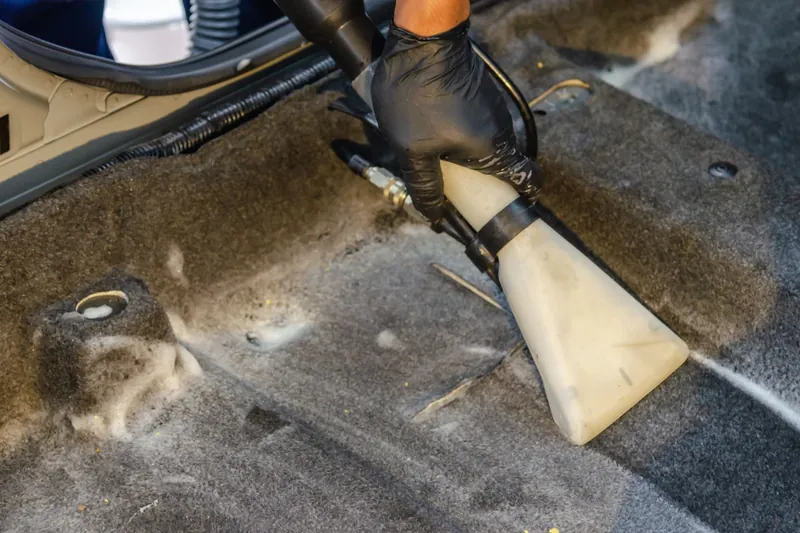
Seat covers, foam, carpet, padding, headliner or trim are removed only where contamination has entered material that cannot be fully disinfected.
An EPA-registered disinfectant is applied after hard materials have been cleaned. The surface stays wet for the contact time stated on the product label.
If contamination or odor could have reached the climate system, the inspection includes vents, air intakes and the cabin filter. Source removal remains the first priority.
Materials taken from the vehicle are packaged and discarded according to the applicable waste requirements. Cleanup paperwork can become part of your claim documentation or vehicle fleet file.
The affected areas and surrounding areas receive a final visual check so contaminated material is not left behind. You receive an explanation of cleaned areas, removed materials and any restoration services still needed.
Call at any time. A specialist in vehicle biohazard cleanup takes your call, explains each step and agrees on a start time with you.
Inside the confined space of a vehicle, hidden sharps, body fluids, blood and waste may present significant health hazards.
Needles may be concealed under seating, within compartments or among personal property. Picking through the cabin without puncture-resistant tools can cause an exposure.
Heat and limited airflow can intensify odor. Before source removal, vehicle heating or cooling can distribute odor through vents and into the cabin filter.
Hepatitis B, hepatitis C and HIV may be present in blood. The CDC says hepatitis B can survive on surfaces for at least seven days, so dried material still deserves careful treatment.
Can you clean it yourself? With gloves, you may clean several fresh drops from a non-porous hard surface using an EPA-registered disinfectant that stays on for the complete label contact time. If fluid reached a seam, fabric, foam, carpet, headliner or vent, or if a sharp object is present, keep out and seek professional cleanup.
Non-porous interior parts may stay when every surface can be reached, cleaned and disinfected. Porous material may need removal when contamination has soaked beyond the surface.
When workers may encounter blood on the job, the OSHA Bloodborne Pathogens Standard, 29 CFR 1910.1030, establishes requirements for training, protective equipment and exposure controls.
A disinfectant should be EPA-registered for the target pathogen and compatible with the surface. The disinfectant needs to stay wet throughout the label's stated contact period.
Tennessee treats soaked materials from a biohazard scene as medical waste, a type of special waste. Rules from the Department of Environment and Conservation's Division of Solid Waste Management control its treatment and disposal, so it cannot go in household trash.
Tennessee uses a mix of state and county medical examiners, with county medical examiners investigating deaths and the Office of the State Chief Medical Examiner supporting them. Cleanup starts after police or the medical examiner release the scene.
The time needed for biohazard vehicle cleaning is set after inspection. A limited hard-surface cleanup takes less time than work that requires seat removal, carpet removal, vent inspection, repeated treatment or replacement parts.
The full vehicle biohazard cleanup guide covers what is cleaned or removed, odor and air quality work, and the rules that apply in Tennessee and Wilson County.
Read the full vehicle biohazard cleanup guideLocal population patterns, housing and site access may affect how containment and cleanup are planned.
The relatively small 27.9% rental share does not change safety needs, but it can make property decisions more direct.
The 2006 median year does not prevent contamination from reaching subfloors through joints, edges, and utility openings.
About 1,291 older residents live alone in Mount Juliet, equal to 23.7% of seniors and still relevant to welfare planning.
Because 81.0% of local housing is single-family, owners often can make direct decisions about removing affected structural materials.
Your phone conversation can include questions about service in nearby ZIP codes and communities.
Decontamination of police cars, ambulances and transport vehicles.
See police and ambulance vehicle decontamination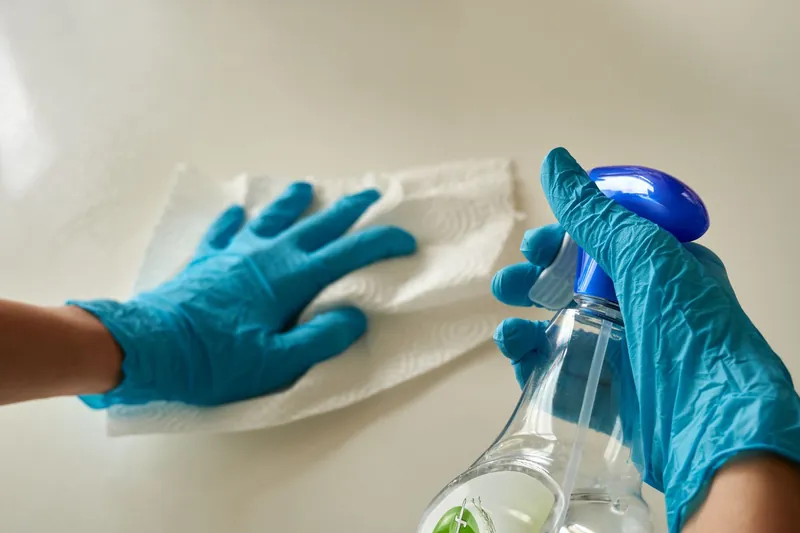
Blood cleanup clears blood from furniture, walls, hard floors and carpet, followed by safe disposal.
See blood cleanup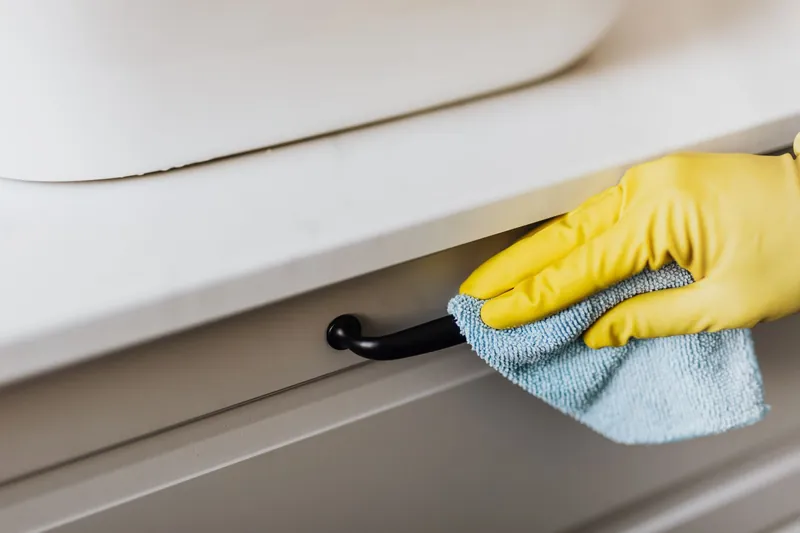
Bodily fluid cleanup removes fluids and disinfects affected areas in businesses, homes and care settings.
See bodily fluid cleanup
Biohazard carpet and upholstery cleaning, or safe removal when needed.
See biohazard carpet and upholstery cleaning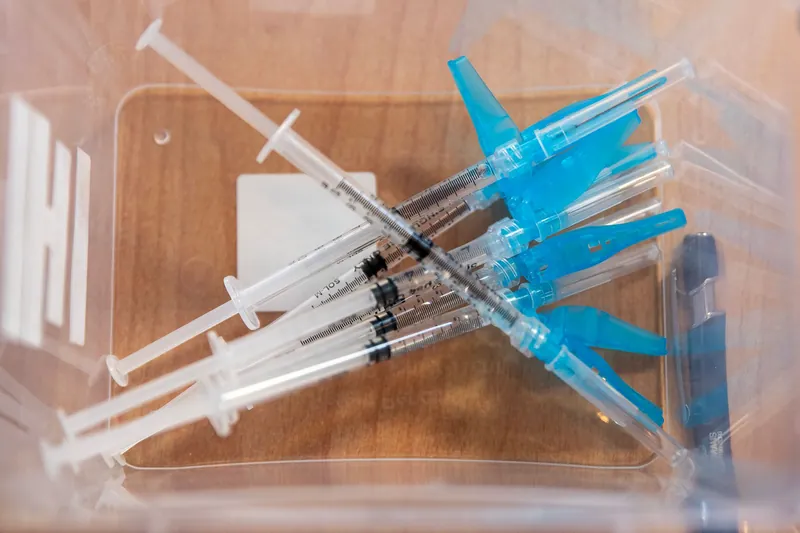
Cleanup removes sharps and needles from parks, rental sites, yards and encampments.
See needle and sharps cleanup
Trauma scene cleanup addresses the aftermath of accidents, injuries and violent incidents.
See trauma scene cleanup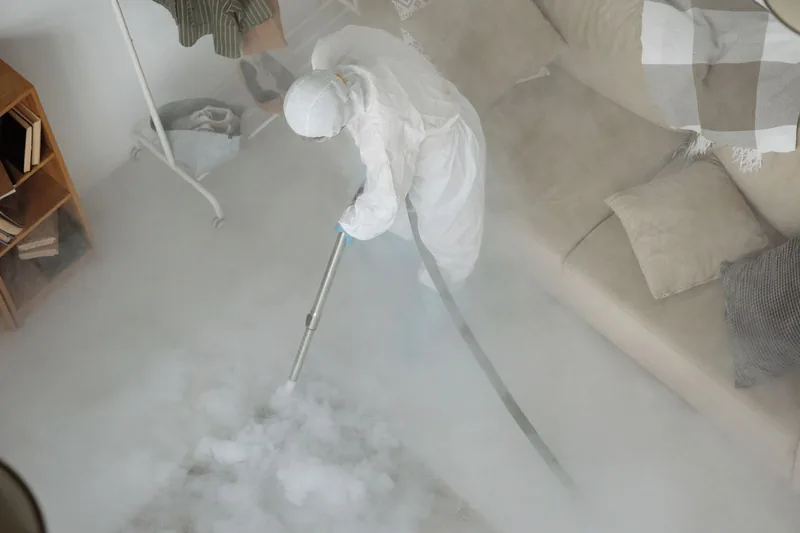
Rooms, surfaces and air receive complete decontamination following infectious or hazardous exposure.
See biohazard decontamination
Biohazard waste is collected in labeled, sealed containers and taken for disposal.
See biohazard waste disposalBiohazard damage describes vehicle areas exposed to blood, bodily fluids, waste or associated material. Possible damage includes odor, stains and unsafe materials that require removal, including saturated carpet padding or seat foam. Biohazard contamination is not the same as everyday dirt. It can also differ from chemical damage, which may require a separate hazmat evaluation.
The vehicle's safety rests on finding the full affected area and either removing or effectively treating contaminated porous materials. Ask for a clear scope showing what was cleaned, what was removed and whether vents or the cabin filter were inspected. When you plan to buy it, examine all existing paperwork and consider an inspection from an independent party.
Before cleaning starts, isolate the vehicle and examine how far the substance traveled. The cleaning process next sorts personal property, takes out non-disinfectable porous components, cleans hard areas and keeps an EPA-registered disinfectant on for its required contact time. Vents, the cabin filter and anything causing odor are assessed prior to a final interior inspection.
Standard auto detailing focuses on looks, staining and everyday soil. Biohazard remediation accounts for bloodborne pathogens, unseen fluid travel, protective gear, hazardous waste and the required disinfectant contact time. When material penetrates foam, padding, insulation or air vents, surface fabric shampooing leaves deeper areas untreated. Make sure you ask specifically about professional biohazard cleanup.
A truck, RV, boat, fleet unit or car becomes a biohazard vehicle when contaminated by sharps, animal waste, human waste, bodily fluids, blood or other potentially infectious material. The phrase concerns an exposure condition, not one particular kind or brand of vehicle. An inspection determines which surfaces can be cleaned and which porous parts may need removal.
Keep the fan and air conditioner off until the source and air path are inspected. Odor can spread across the vent system or enter the cabin filter when air moves. Open a door only when immediate safety requires ventilation, and avoid sitting inside. Treat the smell only after the source is gone, the area is carefully cleaned and affected vents or filters are addressed.
You can request respectful, discreet vehicle biohazard cleanup 24 hours a day, and crews use unmarked vehicles.