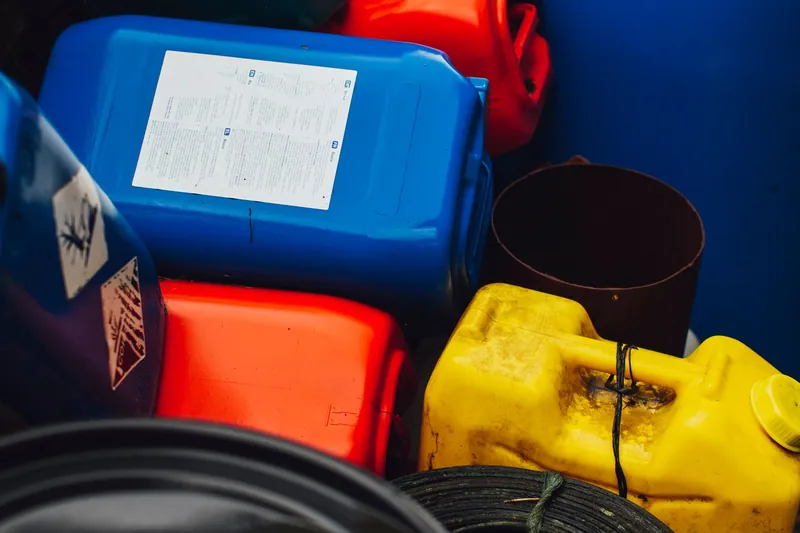
Chemical and Toxic Waste Cleanup
Safe disposal is included with chemical and toxic waste cleanup.
See chemical and toxic waste cleanupGet hazardous materials, chemical residue and contaminated items assessed and cleaned in High Point. The hazard is identified first so containment, protective equipment, cleaning and waste disposal fit the material.
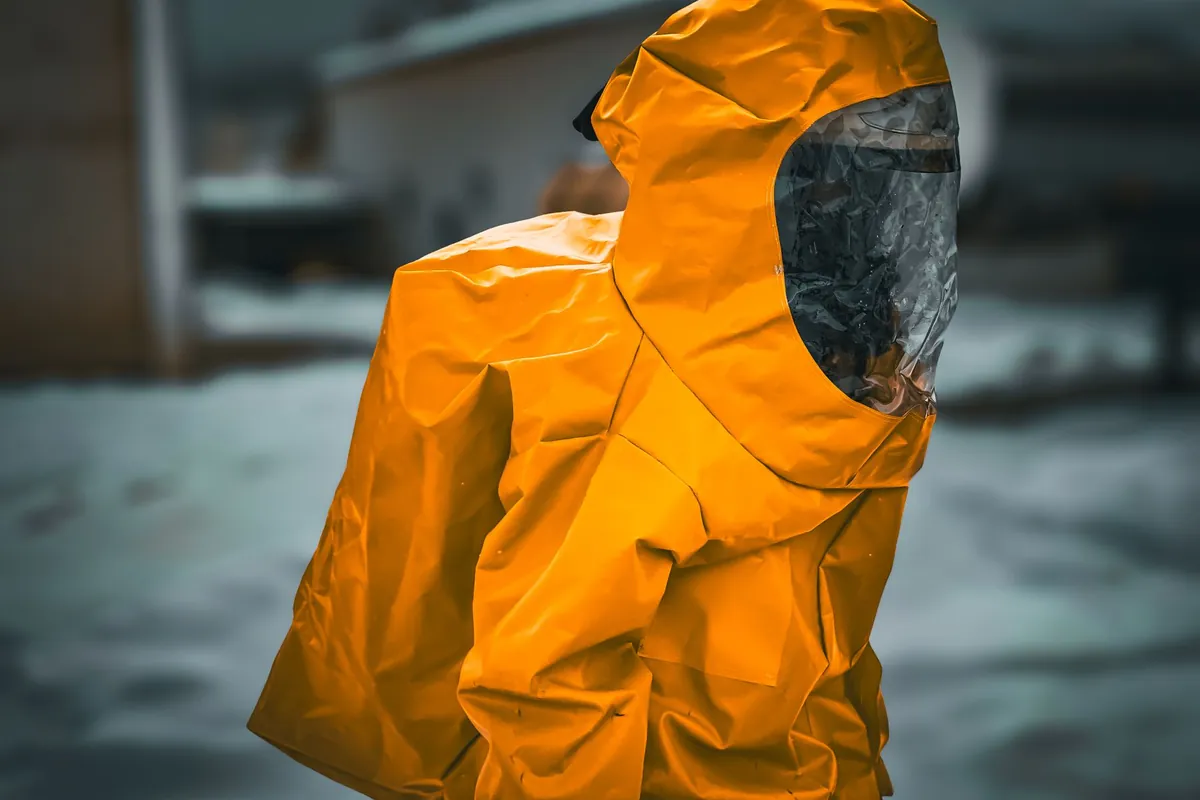
The careful, controlled treatment or removal of hazardous substances is hazmat cleanup. These substances may cause harm to people, the environment or property through fire, exposure by touch, breathing, a reaction or contamination.
Unknown powders, corrosive materials, fuel residue, toxic waste, chemical spills and biological hazards are among the possible concerns. Blood or bodily fluids may expose people to bloodborne pathogens. Chemicals present other dangers, including harmful vapor, poisoning, burns and reactions. A cleaner must account for these differences rather than apply one product and one method to every material.
The cleanup process begins with information. A product label, Safety Data Sheet, container, incident report or testing may help identify the material. The affected area and surrounding areas are then controlled. Cleanup technicians select protective gear, tools, absorbents and containers that fit the substance. Contaminated materials are cleaned when that can be done safely, or removed for proper waste disposal when they cannot be kept.
Daytime and nighttime calls are answered. Cleanup crews use unmarked vehicles. You do not have to discuss what happened with visitors or neighbors.
Cleanable contents are separated from belongings that absorbed contamination. If safe handling is possible, crews discuss your valuable or meaningful property with you.
When property managers or insurance companies request information, records of the scope, removed materials and waste, along with photographs, help explain the work.
You hear what is known, what still needs identification and how the proposed work addresses the affected area before you decide how to move forward.
You may need hazmat cleaning when ordinary methods risk exposing you to dangerous material or carrying it onto other surfaces. Situations commonly requiring it include:
Leave spilled chemicals, mixed containers and unidentified material untouched by routine cleaners when found in a garage, basement, workshop or storage space.
A decontamination plan matched to the material is needed before protective equipment, machines or tools can be moved, handled or returned to use.
When a container leaks, glass breaks or a process accident occurs, residue, powders and liquids may contaminate equipment, flooring and close-by contents.
Cleanup involving sharps, blood, bodily fluids or another biological substance requires bloodborne pathogen precautions and differs from a chemical residue plan.
First, stay out of contact with the material and do what is safe to limit its spread. Ahead of professional cleaning:
Call (888) 351-0904For spaces in the small to mid-size category, hazmat cleanup may cost $4,000 to $40,000 for each job, according to the Hazmat Cleaning Cost guide published by One and Done Prep. That source places initial containment and cleaning between $6 and $20 for each square foot. Costs differ widely based on the substance, area size, required containment, disposal of waste, permits and inspections. The final price cannot be determined before an assessment.
These ranges come from published national cost guides, not from a site visit. The price for your property is set after the on-site assessment, and you hear it before work starts.
Ask about cost: (888) 351-0904Hazmat cleaning may be covered by insurance when the underlying cause qualifies under your policy. Contamination exclusions, coverage limits and the deductible can influence what gets paid.
Who arranges and pays can depend on the cause, the lease, the policy and local requirements. Do not agree that you are responsible until the documentation and circumstances have been examined.
A business or property owner should keep incident details, affected-area photos taken from a safe place, an item inventory and records from the cleanup service.
Ask what the adjuster needs before work begins when there is time to do so. A scope, photos, removed-item list and waste records can help explain the claim.
Give the insurance company the location and known cause of the release. Check if your policy applies to cleanup, waste disposal, repairs and affected building materials.
Although the substance changes the exact method used, professional cleaning moves through controlled stages. The steps should prevent contamination from leaving affected areas and shield spaces that remain clean.
Incident information is considered along with accessible Safety Data Sheets and labels. The affected area, surfaces and possible travel paths are mapped before cleanup starts.
The cleanup space is isolated from people and unaffected parts of the property. When contamination could leave its starting point, crews manage openings and pathways that might carry it.
Gloves, clothing, eye protection and respiratory protection are selected for the known hazard and the work being done, not from a one-size-fits-all kit.
Crews stop the source only if doing so is safe. Further movement is restricted with compatible containers, absorbent products or another appropriate control.
Cleanable surfaces and equipment receive a method suited to the contaminant. An EPA-registered disinfectant remains on biological contamination for the entire contact time stated on its label.
Porous or damaged items that cannot be safely cleaned are separated, packaged and documented. You help evaluate personal property before disposal whenever conditions make that safe.
The identified contaminant determines the waste route, while compatible containers keep the material securely closed. You can keep records for insurance and property purposes.
A final check confirms whether the work area matches the cleanup plan. The final information identifies removed items, cleaned areas and any repairs or restoration services still needed.
Phone any hour. A specialist in hazmat cleanup takes your call, explains each step and agrees on a start time with you.
Contact with hazardous material can seriously harm health through breathing, puncture, swallowing or skin exposure. Using an unsuitable cleaner may also spread it or trigger a reaction.
Material can move under shelving, behind baseboards, into floor seams or through a vehicle interior. Contamination may remain when cleanup focuses solely on what you can see.
Dust, fumes and liquid substances can cause problems for the eyes, skin or respiratory system. Protective equipment must match what the substance is, its strength and whether exposure could occur through skin, eyes or breathing.
Dust or fumes may reach surrounding areas, and absorbent belongings can retain odors and contamination. Belongings should undergo evaluation prior to being returned, removed or cleaned.
Can you clean it yourself? Limited spill size does not mean there is no danger. Follow the product label and Safety Data Sheet only if the material is known, the release is controlled and the instructions clearly cover the situation. Leave an unknown, reactive, highly toxic or spreading substance alone and seek emergency response when there is an immediate danger.
Whether something remains depends on both its surface and the hazardous material. Compatible sealed surfaces can sometimes be cleaned, but porous objects may require removal after absorbing residue.
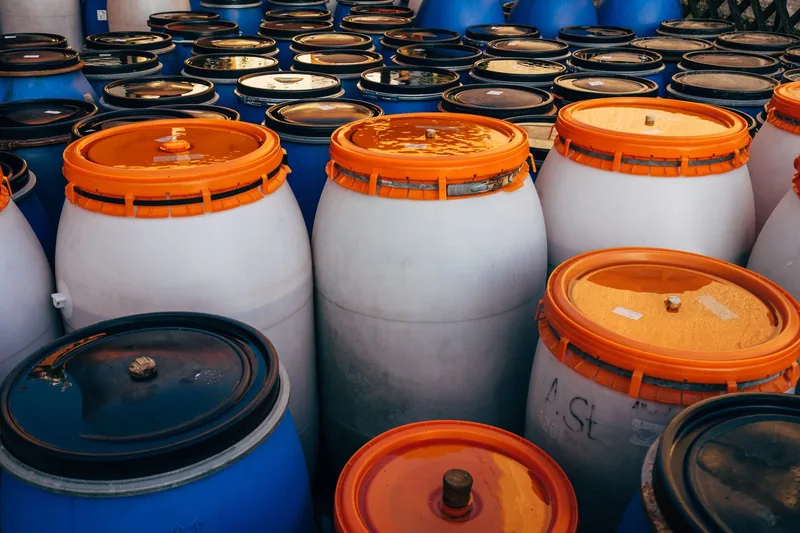
No safe set timeframe applies to hazmat cleaning before the material, affected spaces and waste disposal requirements are established. Work might need to wait while an active hazard is controlled or necessary permits, inspections or testing are completed.
| Scene | Typical time on site |
|---|---|
| Known hazardous material limited to one location | Duration is estimated once the property has been evaluated |
| An unknown contaminant or several affected areas | Material identification and scoping happen before cleanup |
| Special disposal needs, structural material removal or an inspection | The work is complete only after each required step |
Odor can warn you that something is wrong, but smell cannot identify a substance or prove that an area is safe. Do not lean close to find the source. Odor removal starts with identifying and removing or treating the material that caused it.
Assessment after removal of the source includes hard surfaces, porous materials and the paths of moving air. Some vapors and dusts can spread through airflow, so ventilation or air-cleaning machinery has to match the known hazard. A fragrance masks smell without removing it. Final air quality choices must reflect the material involved, the scope of cleaning and any situation-specific testing.
The full hazmat cleanup guide covers what is cleaned or removed, odor and air quality work, and the rules that apply in your state.
Read the full hazmat cleanup guideContainment, entry and cleanup plans can be influenced by local housing, population and access details.
The nearest listed emergency facility is Tristar Southern Hills Medical Center, about 5.1 miles away, so medical care remains separate from property cleanup.
The nearby places of Jackson Valley, Autumn Oaks, and Concord Hills give useful orientation when arranging equipment delivery and waste pickup.
Properties within this Nashville neighborhood may share alleys, entries, or parking, so equipment movement should be planned around nearby residents.
Your phone conversation can include questions about service in nearby ZIP codes and communities.
Safe disposal is included with chemical and toxic waste cleanup.
See chemical and toxic waste cleanup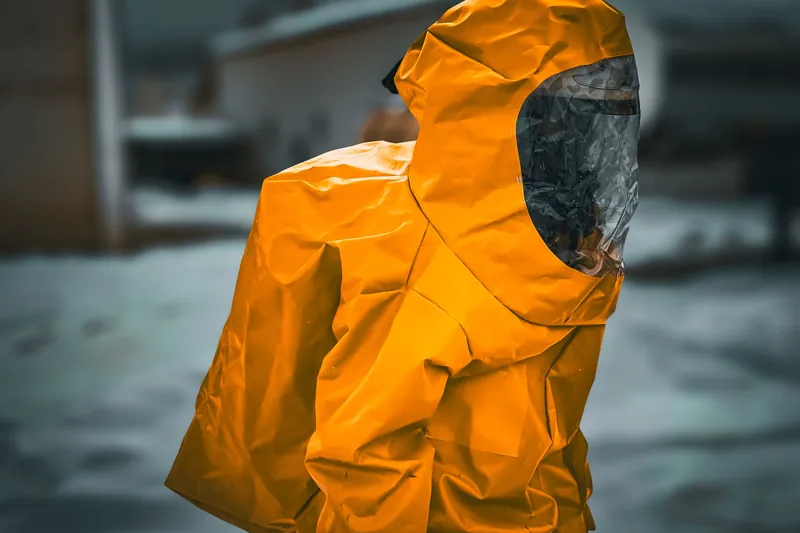
Cleanup removes infectious material, including blood and body fluids, and disinfects the property.
See biohazard cleanup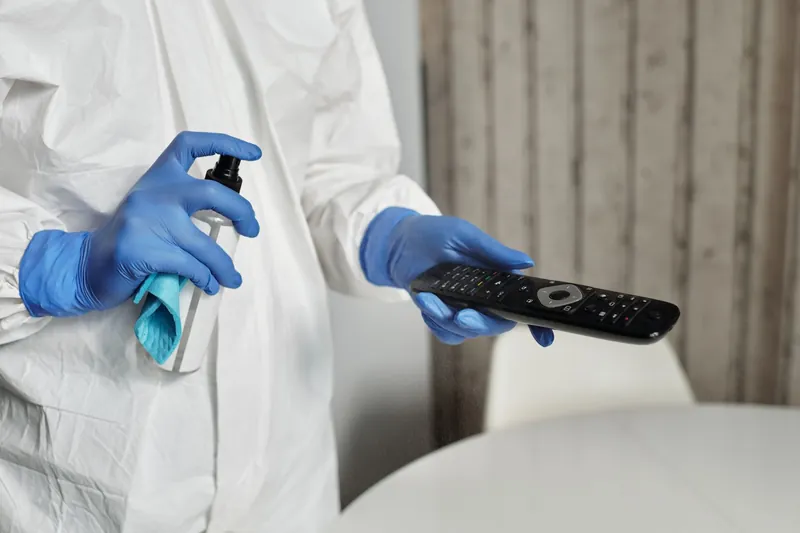
Biological remediation removes contamination so the space can be safely used again.
See biohazard remediation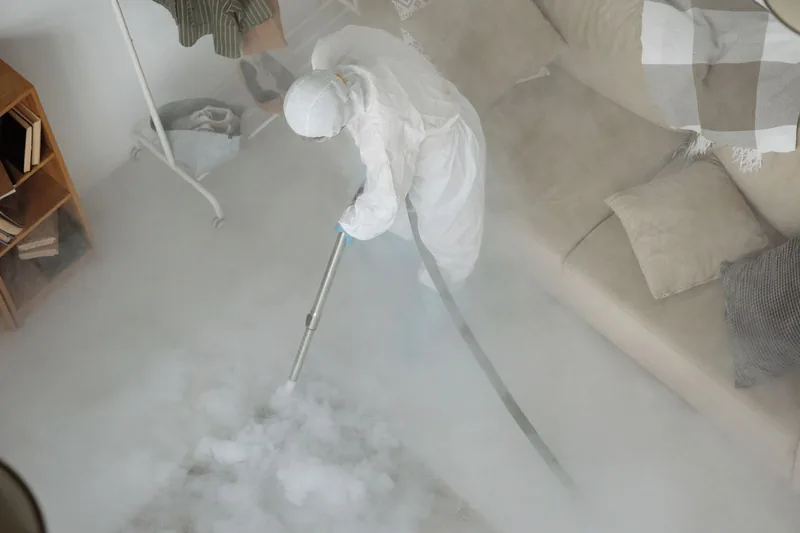
Full decontamination of rooms, surfaces and air after infectious or hazardous exposure.
See biohazard decontamination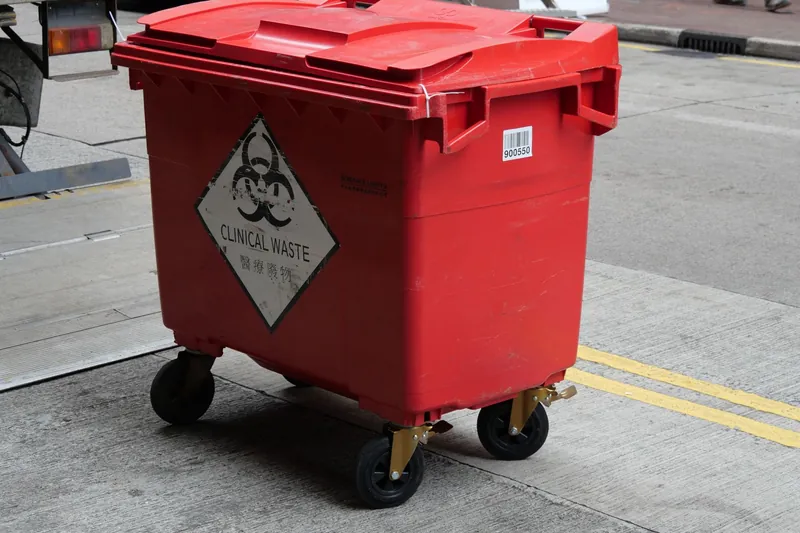
Medical waste removal includes disposal through facilities approved for treatment.
See medical waste removal
Biohazard waste is collected in labeled, sealed containers and taken for disposal.
See biohazard waste disposal
Residue tests, decontamination and clearance procedures are all part of meth lab cleanup.
See meth lab cleanup
After fentanyl exposure, decontamination addresses rooms, vehicles and other surfaces.
See fentanyl decontaminationOne and Done Prep's Hazmat Cleaning Cost guide lists $4,000 to $40,000 per job for small to mid-size spaces and $6 to $20 per square foot for initial cleanup and containment. The final cost depends on the contaminant, area, containment, protective equipment, disposal, access, permits and inspections.
Blood and bodily fluids are biological hazards, along with other substances that could carry organisms or bloodborne pathogens. Toxicity, corrosion, reactivity and flammability are possible chemical dangers. The difference matters because protective gear, cleaning products, packaging and waste disposal must fit the hazard. A method used for blood cleanup may be unsafe or ineffective on a chemical spill.
Identify the substance first, without opening, sniffing or mixing it. Use instructions from the label or Safety Data Sheet while making sure everyone stays away. The material involved and applicable local requirements determine disposal. Keep unidentified chemicals, used absorbent and leaking containers out of ordinary garbage unless clear instructions for the material specifically permit household disposal.
Until the substance and cleanup scope have been established, the duration cannot be estimated safely. An identified hazard contained in a defined space is easier to scope than material requiring special disposal or spreading through hidden paths and several rooms. The timeline reflects how long hazard identification, containment, cleaning, removal, waste management, repairs and required inspections take.
No. A fading smell does not prove that residue or vapor is gone, and some dangerous substances may have little noticeable odor. Crews should determine the cleanup approach from the material's identity, where it traveled, the scope and testing needed in those circumstances. Masking a bad odor with fragrance leaves the source in place.
Finishing the job involves more than applying disinfectant. After removal, cleaning and full disinfectant contact time, the area should be checked against the work scope. All waste requires sealed packaging, removal and delivery through the applicable disposal channel. The cleanup file should list what crews treated and took away, along with outstanding repair needs.
Discreet, respectful hazmat cleanup, 24 hours a day, with crews in unmarked vehicles.