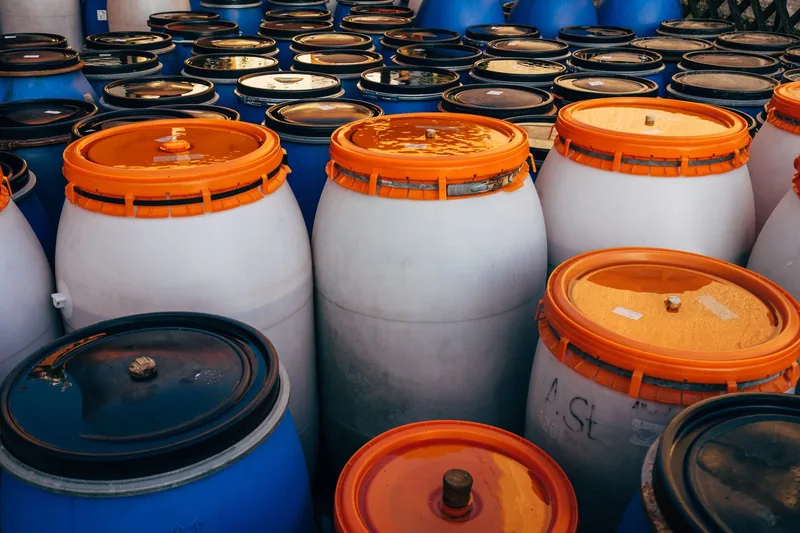
Hazmat Cleanup
Hazmat cleanup of hazardous materials with the right protective equipment.
See hazmat cleanupGet help with chemical spills, toxic residue, damaged containers and contaminated materials in Dreamland Estates. The substance is identified before the cleanup method, packaging and waste route are chosen.
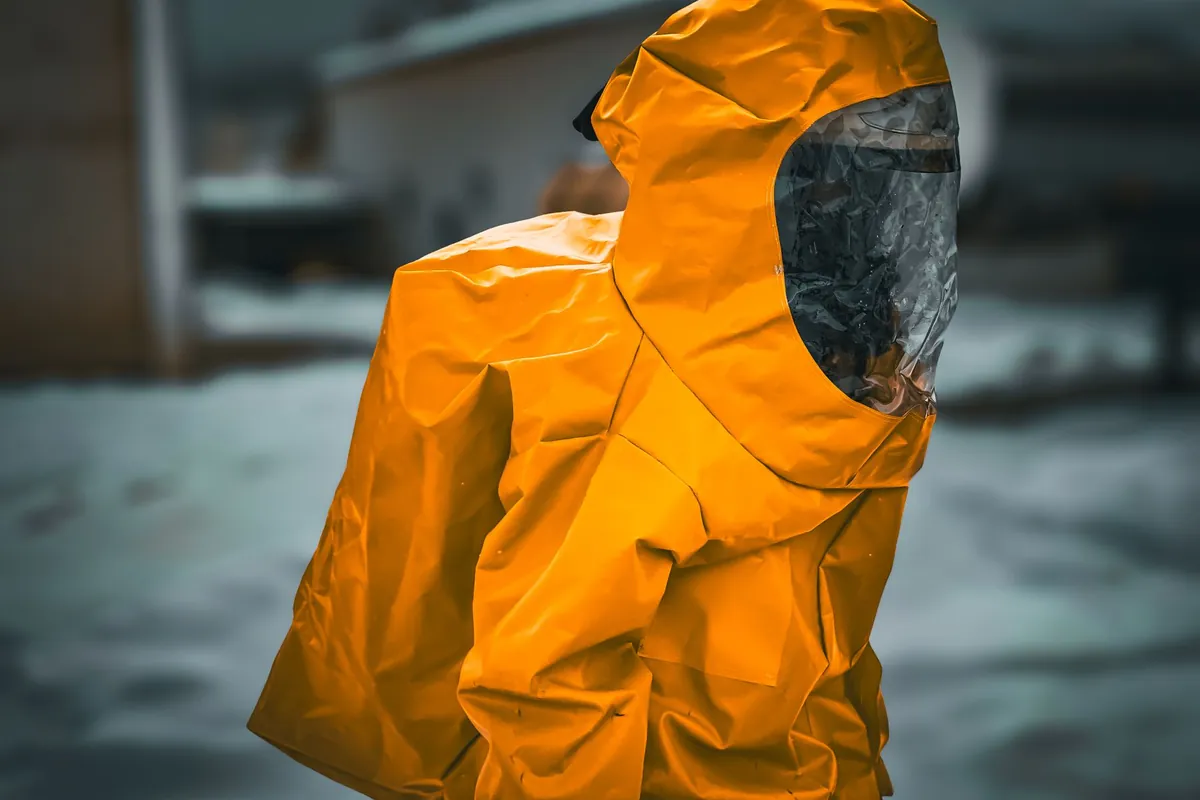
Controlled removal of spilled substances, chemical residue, damaged packaging and anything contaminated by the material is chemical and toxic waste cleanup. Cleaning the surfaces and disposing of waste properly complete the work.
Finding the identity of the substance is where cleanup starts. Emergency responder reports, shipping records, safety data sheets or labels can help establish what is there. This matters because two materials may react even when a cleanup method is safe for one of them. Do not mix cleaners with powders or liquids you cannot identify. You also should not touch them or smell them at close range. The hazards associated with the identified chemical must guide the complete process.
Chemical cleaning services can apply to homes, garages, vehicles, rental units, warehouses, workshops and commercial properties. Cleanup involves defining the affected and surrounding areas, choosing protective equipment, stopping residue from spreading and separating cleanable items from hazardous waste. Biohazard remediation requires a separate process when bodily fluids, animal waste or other biohazards are present.
Property owners and other responsible parties can receive arranged waste documents, photographs and cleanup scope details, as can insurance companies. Before repairs start, the records may show restoration services exactly what cleanup removed.
Before work proceeds, you learn which facts are confirmed, what remains unidentified and the reason for every proposed cleaning, removal or containment measure.
Belongings are sorted according to material and contamination. One chemical treatment is not applied to every piece of personal property when it could worsen the damage.
You can call during the day or overnight, and crews arrive in unmarked vehicles. You can explain the material, property and immediate concern before access is planned.
When contamination extends beyond a small surface you can clean, professional cleanup may be appropriate. The same applies if fumes or reactions are possible, the substance is unknown, or its label warns against regular disposal. Each plan is shaped by the affected surfaces and the specific material. Typical situations include:
A process spill or damaged container can call for restricted entry, documentation and coordination with whoever manages safety at work.
Pool and workshop products, pesticides, cleaners or fuel can leak onto floors, into cabinets and around nearby belongings.
Unknown powders, liquids and stains require careful assessment before you choose protective gear or a cleanup approach. If illegal activity might be involved, follow directions from law enforcement.
A property can contain chemicals with animal waste, bodily fluids, needles, feces or urine. Each risk calls for a separate cleaning process that is safe.
Start by staying out of contact with the material and preventing anyone from tracking it elsewhere. Do not take any step that requires moving nearer to the spill:
Call (888) 351-0904Fixr lists one hazardous chemical amount, which is $30 to $50 per barrel. Its role is to guide disposal costs, not to state a complete cleanup price. The final scope requires looking at the material and where it spread, since containment, identification, packaging, labor, transport and surface removal can all affect the total.
The figures shown are national ranges from published cost guides and are not based on an on-site visit. You learn what your property will cost after the on-site assessment and before any work begins.
Ask about cost: (888) 351-0904Whether insurance applies depends on policy terms, what caused the release, and who controlled or owned the material. Photos, receipts and details of the work scope can be organized as part of insurance assistance, but coverage is decided by the insurance company. Make a prompt report and ask what documentation must be submitted.
Your insurance company should explain coverage for cleanup, hazardous waste disposal, restoration, testing and contents, along with the deductible and needed reports, photos and receipts.
Commercial policies can differ. After reporting the event, the business or property owner should keep relevant records and labels and confirm whether environmental work and damaged items are covered.
A homeowners or renters policy may treat some sudden spills differently from gradual leakage, excluded pollutants or poor storage. Before you authorize non-emergency work, ask how the cause is classified.
An employer, owner, contractor, tenant or the individual who carried the material onto the site may have a role. A lease, work agreement and policy language can affect who pays.
The substance determines how remediation proceeds, so the work must not rely on one standard method for every situation. Product facts and site information set the order around the known hazards. Typical stages of chemical cleaning are:
The affected area is mapped with surrounding areas after technicians study product labels, location information and safety data, but before anything is disturbed.
To stop residue from traveling on shoes, through air or on tools, technicians limit access and establish a controlled zone.
The known hazard and planned task determine the choice of gloves, protective garments, eye protection and respiratory equipment.
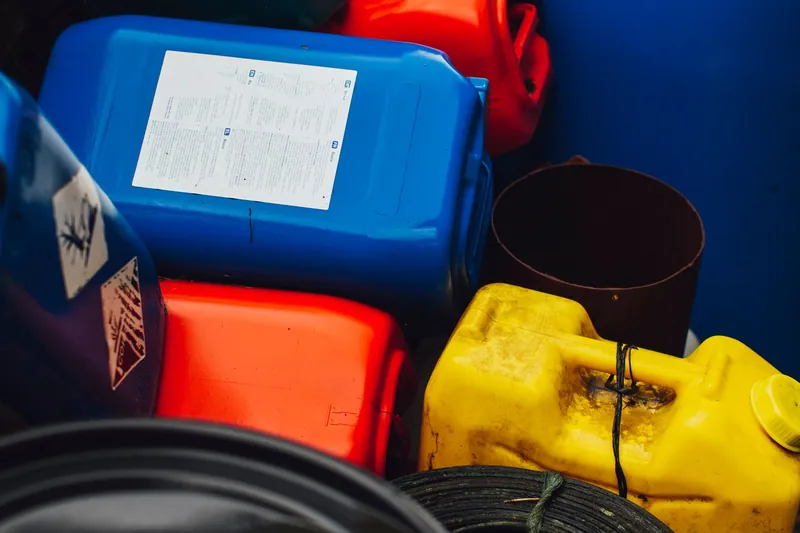
Compatible containers are sealed around collected powder, liquid and damaged packaging, with incompatible material never mixed together.
Absorbent carpet, pad, drywall, insulation or vehicle trim is removed when it cannot be cleaned completely and safely.
For hard surfaces that are compatible, the cleaning approach follows the substance involved, the surface type and manufacturer guidance.
Packaged waste is labeled and directed to an appropriate facility according to the waste type and applicable rules.
You receive organized waste and cleanup records after the area is reviewed for remaining chemicals, odor and signs of tracked contamination.

Phone any hour. You speak with a chemical and toxic waste cleanup specialist who outlines the process and schedules a start time with you.
Chemicals can affect the nervous system, lungs, eyes and skin when exposure occurs. Proper precautions vary according to the material and how concentrated it is.
Drywall, upholstered fabric, carpet pad and unfinished wood may absorb the contaminant. Chemical remains can stay beneath a material after its surface is wiped.
The visible spill may not show how far a product's vapors have traveled. A noticeable smell means you should go, while the absence of odor cannot confirm safe air.
Combining chemical containers, using a drain for disposal or throwing hazardous waste into household trash can cause a fresh reaction and extend the exposure.
Can you clean it yourself? Owner cleanup may fit a limited spill when the material is identified, nobody has symptoms, the label clearly explains cleanup and you are able to obey all safety instructions. Stay outside and get emergency advice or professional cleanup when material is unidentified, reactive, has a strong odor or has entered an absorbent surface.
Decisions about keeping an item depend on what the chemical is, what surface it touched and how far it penetrated. Identification must happen first to avoid leaving hidden contamination behind.
A safe chemical cleanup timeline cannot be determined before the substance, amount and extent of spread are known. Work on an identified product limited to an accessible hard surface is less complex than cleanup of unknown material inside flooring, wall cavities, soil or multiple rooms.
| Scene | Typical time on site |
|---|---|
| A known chemical confined to limited non-porous material | Timing set after the label and affected surface are reviewed |
| Chemical absorbed into porous materials | Longer when removal, packaging and disposal are required |
| Unknown material or broad contamination | Hazards and control measures must be established before work starts |
Removing chemical odor starts with finding and taking away its source. A general deodorizer, fragrance or air freshener might mask what you smell without eliminating the residue. Fans are not automatically safe because moving air may carry particles and vapors into nearby areas.
After contaminated materials and residue are removed, the work area can be checked for remaining odor and tracked material. Ventilation, filtration or other air treatment should match the known substance. Ozone and heat are not universal chemical cleanup tools, and they should not be used as substitutes for source removal or chemical-specific guidance.
The full chemical and toxic waste cleanup guide covers what is cleaned or removed, odor and air quality work, and the rules that apply in your state.
Read the full chemical and toxic waste cleanup guideContainment, entry and cleanup plans can be influenced by local housing, population and access details.
The approximately 2.8 mile trip to Tristar Southern Hills Medical Center matters when an injury must be assessed before anyone returns to the affected space.
The surrounding area includes Hunters Branch, Barnes Crossing, and Monte Carlo Estates, so cleanup travel may cross several local streets or municipal boundaries.
The neighborhood setting makes privacy especially important when equipment must pass through sidewalks, lobbies, or other visible common areas.
During your call, ask whether cleanup is available in surrounding communities and ZIP codes.
Hazmat cleanup of hazardous materials with the right protective equipment.
See hazmat cleanup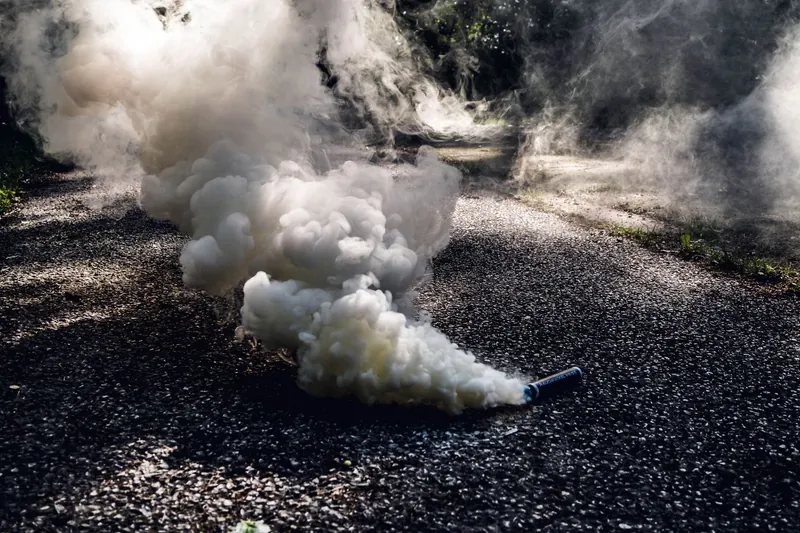
Tear gas and pepper spray residue cleanup after police or self-defense use.
See tear gas and pepper spray cleanup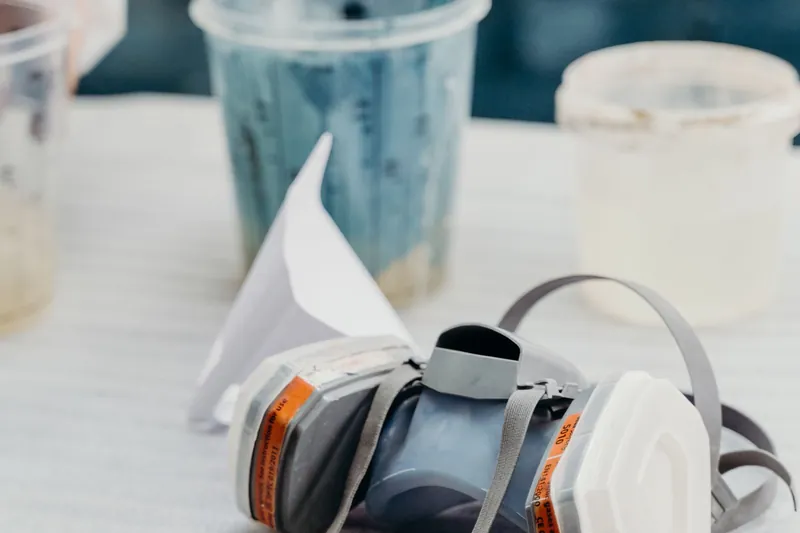
Meth lab cleanup includes testing for residue, decontaminating the space and completing clearance steps.
See meth lab cleanup
After fentanyl exposure, decontamination addresses rooms, vehicles and other surfaces.
See fentanyl decontamination
Grow house cleanup removes chemicals, mold and property damage left by indoor cultivation.
See marijuana grow house cleanup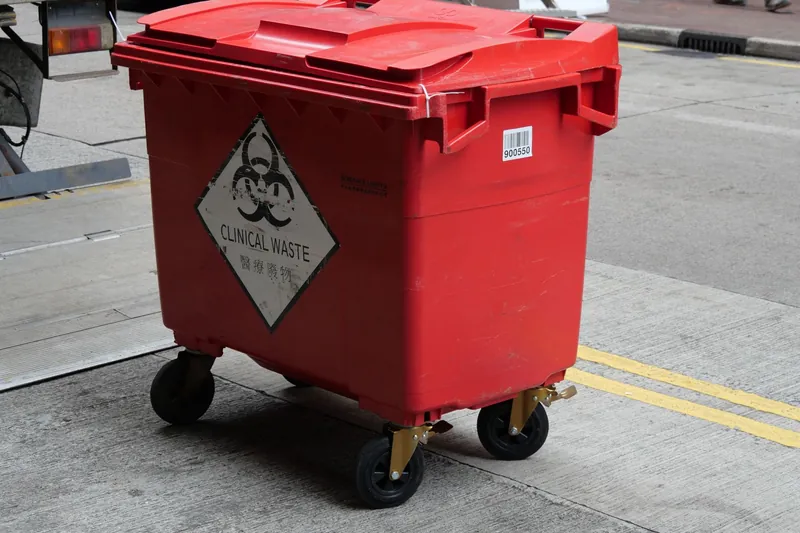
Medical waste removal includes disposal through facilities approved for treatment.
See medical waste removal
Sealed containers with labels hold biohazard waste during collection and disposal.
See biohazard waste disposal
Biohazard cleanup treats cars, trucks, boats and RVs.
See vehicle biohazard cleanupAfter identification, waste stays apart from incompatible substances and is packaged in appropriate sealed containers bearing content labels. The proper destination and transportation method vary according to material type and relevant rules. Available waste records can show you what was taken from the site and where it went, so ask for them.
Do not attempt to dissolve fecal matter with chemicals. Remove solid waste with suitable protective equipment, then clean and disinfect compatible surfaces. Keep bleach separate from ammonia and every other cleaner. If waste is dry or extensive, chemically mixed or embedded in flooring and drywall, hiring professional cleanup is the safer option.
Standard cleaners may react dangerously with some chemicals you cannot identify. Prevent pets and people from approaching, do not touch or closely sniff the material, and add no bleach, water or other product. When the spill produces fumes, becomes hot, smokes, reacts or causes symptoms, get away and request emergency help.
The term may refer to car contamination involving hazardous chemicals, bodily fluids or the two together. The wording neither names the material nor confirms how much damage occurred. Prior to buying or driving the car, obtain records for the incident and cleanup and get its carpet, trim, padding and airflow routes assessed.
Biological hazards include infectious material such as blood, bodily fluids and some animal waste. Chemical hazards come from a substance's toxic, corrosive, reactive or flammable properties. One event can contain both. The first important task is identification, since chemical and biological materials call for different protective gear, cleaning methods, packaging and waste disposal.
Urine is treated as bodily fluid contamination. When accumulation is extensive or long-lasting, it can create a sharp ammonia-like odor and damage porous material. Without knowing what materials are there, adding a cleaner such as bleach could trigger a dangerous chemical reaction. A safer approach removes the source and saturated material, then uses compatible cleaning instead of masking smells.
Respectful, discreet chemical and toxic waste cleanup is available 24 hours a day, and crews arrive in unmarked vehicles.