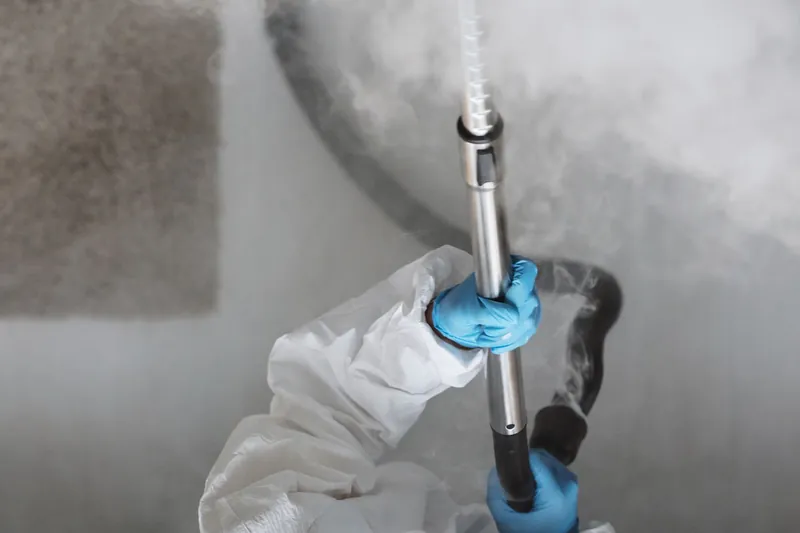
Infectious Disease Disinfection
EPA-registered products are applied across all surfaces during infectious disease disinfection.
See infectious disease disinfectionGet high-touch surfaces cleaned and disinfected in a home, office, rental or shared space in Brentwood Downs after illness or possible exposure. EPA-registered products are used according to their labels.
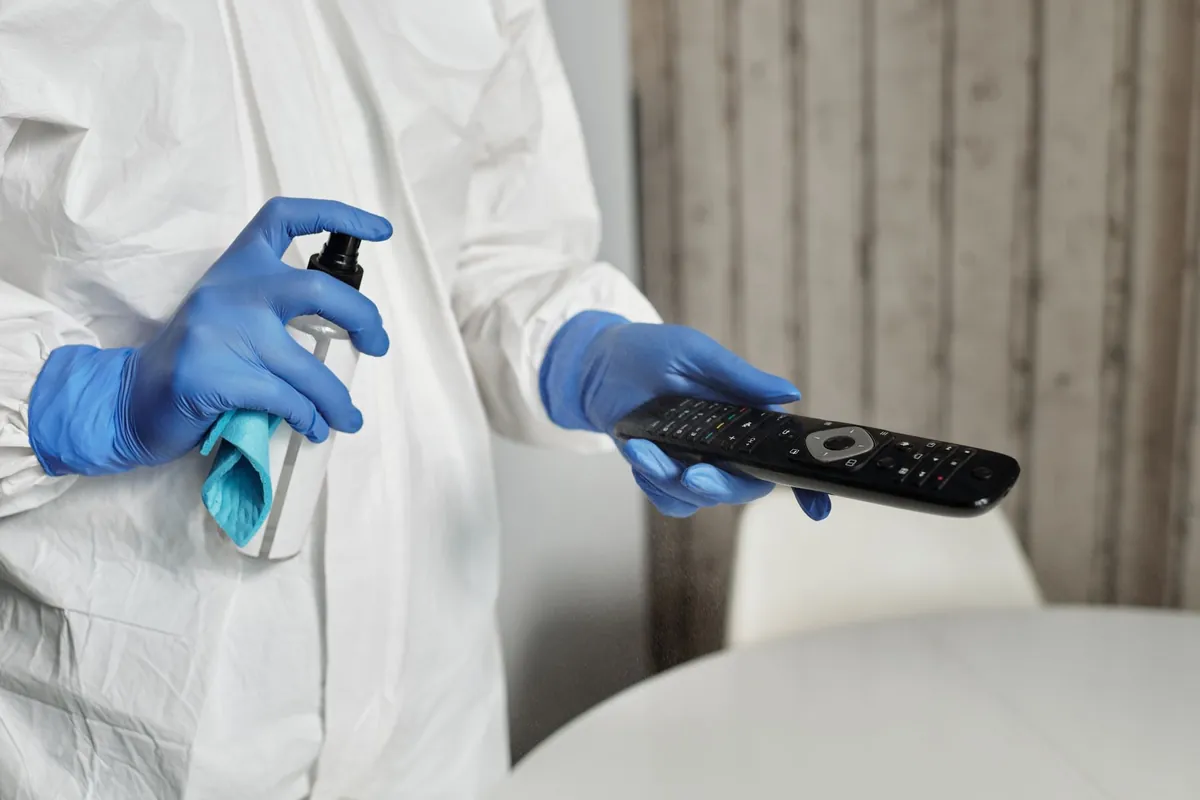
Targeted cleaning for affected rooms and commonly touched surfaces after suspected exposure or illness is known as COVID-19 and virus disinfection. Soil is removed before an EPA-registered disinfectant is applied and left for all of the contact time stated on its label.
The cleaning can include shared settings such as a restaurant, rental, care facility, school, workplace or home. Cleanup technicians look for restroom fixtures, light switches, counters, desks, door knobs and equipment used by several people. They consider surrounding surfaces too, based on what someone might touch while moving from room to room.
You may hear this service described as biohazard remediation, COVID-19 decontamination, infectious disease cleanup, coronavirus cleaning or biohazard decontamination. It differs from routine janitorial work because cleanup crews follow product directions, wear protective equipment and work from a written scope that allows each task to be checked. Remediation is not a substitute for handwashing, building ventilation, fresh air or staying home if you are sick.
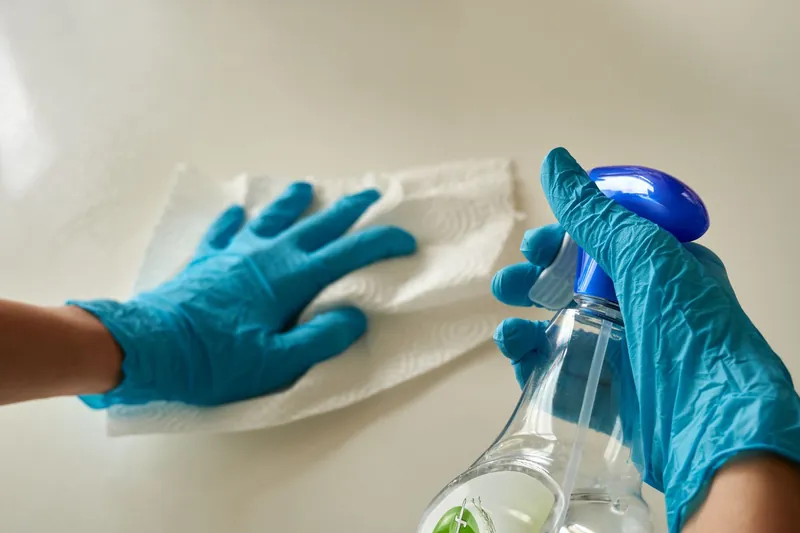
The scope can fit restaurants, offices, residences, rentals and other shared environments without treating every situation identically.
When discretion matters for you or loved ones, technicians can come in unmarked vehicles while using protective gear and respecting personal property.
You can check which rooms, surfaces and special materials are included before the cleaning service starts. A clear scope helps you compare the work described.
You receive a record of the product name and labeled contact time, letting you see what was applied and move forward with your plan to reopen.
COVID-19 disinfection can help when a room-by-room, documented cleaning plan is needed because of an illness, possible exposure or frequent use by many occupants. Situations commonly include:
Treatment of meeting rooms, desks, shared devices, restrooms and break areas can occur before routine use restarts.
Property owners may schedule an apartment, hotel or short-term rental cleanup after reported illness or before its next approved use.
Dining areas, service counters, restrooms and compatible back-of-house surfaces can be included without treating food or food-contact items incorrectly.
Focused cleaning may be needed for equipment, counters and other frequently touched spots in stores, gyms and customer-facing businesses.
Start by limiting access and gathering clear information about the rooms involved. Before cleanup technicians enter the property:
Call (888) 351-0904Published guides do not show an individual COVID-19 price. Guides publishing comparable infectious disease disinfection costs give figures from $1,000 to $10,000. The specific scope varies with space size, germ type, rooms and surfaces involved, requested air-system work and any request for testing.
Published national cost guides are the source for these ranges, rather than an inspection of your property. You learn what your property will cost after the on-site assessment and before any work begins.
Ask about cost: (888) 351-0904Whether coverage applies depends on the policy and why cleaning is required. Preventive coronavirus cleaning should not be assumed to qualify under business, renters or homeowners insurance. When circumstances permit, check with the insurance company before the work starts.
Keep the cleaning scope, product list, photos and invoice. Keeping these records supports insurance assistance by showing insurance companies what cleanup you requested and what was completed.
Before counting on coverage, business owners should examine necessary documentation, deductibles, exclusions and communicable disease provisions with the insurance company.
An insurance company may consider routine disinfection maintenance instead of a loss covered by the policy. Find out if a documented illness receives different treatment from another event under your policy.
The responsible party may depend on lease terms, local requirements and where the affected area falls within the rental or shared property.
A controlled sequence guides coronavirus biohazard decontamination. Assessment comes first, followed by cleaning, disinfection and a concluding check. Each product label directs the complete process, including the method used on individual surfaces.
You and the technicians examine the rooms, prior occupancy, delicate materials and frequently touched points before cleaning begins.
The work area is marked or closed as needed, and technicians select gloves, eye protection and other protective equipment for the products and setting.
Visible dirt and dust come off before disinfection because soil may prevent even contact between the disinfectant and surface.
Compatible surfaces receive an EPA-registered disinfectant at the concentration and coverage directed by the label.
Following treatment, the surface remains wet for its labeled contact time rather than receiving a quick spray and wipe.
Methods appropriate to each item are used for soft materials, unfinished wood and shared electronics rather than saturating them with an all-purpose spray.
Technicians verify the checklist one room at a time and focus particularly on fixtures, shared equipment, switches and door pulls.
You receive the completed scope and product information, plus instructions about drying, ventilation and when the treated area can be used.
You can call anytime. A specialist in COVID-19 and virus disinfection takes your call, explains each step and agrees on a start time with you.
The main risks during disinfection come from illness exposure, chemical misuse and incomplete surface coverage. A careful plan limits avoidable contact and serious health risks without claiming that surface cleaning removes every route of transmission.
Using extra chemical does not necessarily improve safety. Mixing cleaners, choosing an unsuitable product or allowing inadequate ventilation can irritate people and harm fabric, wood, finished materials or electronics.
Cleaners who enter a room occupied recently may come close to contaminated belongings or someone who is ill. Access control and suitable protective gear reduce unnecessary contact during the work.
Door plates, faucet controls, remote controls and shared tools are easy to miss. Follow a room-specific checklist to cover the affected area completely.
Can you clean it yourself? When nobody is presently ill and no unusual exposure concern exists at the property, standard cleaning could be sufficient. Professional cleanup can help you cover key touch points and follow product labels when known illness, sensitive materials, a large common space or a workplace requires a defined scope.
Focused work in a home can take several hours. For a commercial space with many rooms or an office of substantial size, the visit may be longer or phased. The schedule reflects furniture amounts, how many rooms are included, whether surfaces are compatible and required product contact times.
| Scene | Typical time on site |
|---|---|
| Focused home area | Usually completed within one planned appointment |
| More than one room or a modest worksite | May last at least a half day |
| Large or occupied commercial property | Access needs often shape a staged plan |
Neither COVID-19 nor other viruses cause an odor that confirms whether the room is clean. Using fragrance, fog or deodorizer alone is not an alternative to removing soil, treating all frequent touch points and allowing disinfectant to remain for its contact time.
Make a separate plan for air quality and odor instead of treating them as part of surface disinfection. Ventilation can remove product fumes following treatment. Staff at the building can check its filtration settings and outdoor air. When mold, sewage backup, water damage or some other source causes the smell, address it through separate cleanup or restoration services, not additional disinfectant.
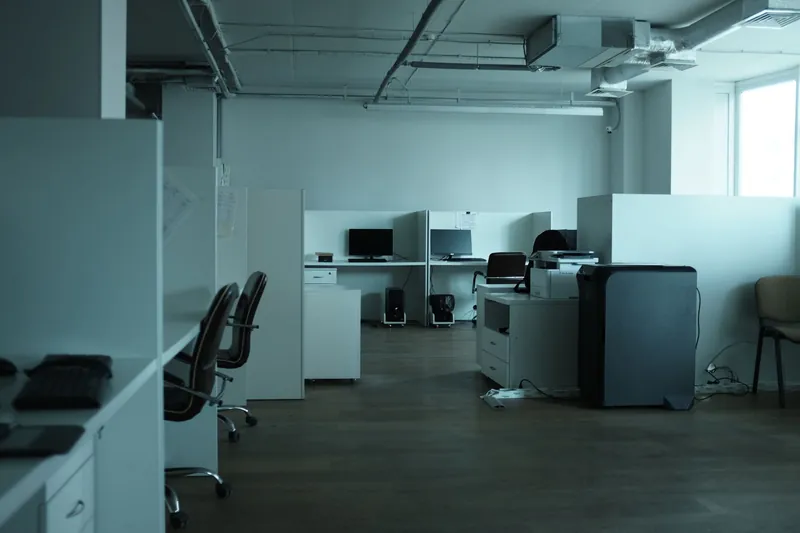
Choose an EPA-registered disinfectant suited to both the surface and target virus, then follow all label directions covering dilution, use and complete contact time.
The label identifies where the disinfectant may be used, along with ventilation needs and applicable protective equipment.
If blood or other potentially infectious materials are also present, federal OSHA Bloodborne Pathogens Standard 29 CFR 1910.1030 sets worker protection and handling requirements.
Tennessee treats soaked materials from a biohazard scene as medical waste, a type of special waste. Rules from the Department of Environment and Conservation's Division of Solid Waste Management control its treatment and disposal, so it cannot go in household trash.
The full COVID-19 and virus disinfection guide covers what is cleaned or removed, odor and air quality work, and the rules that apply in Davidson County.
Read the full COVID-19 and virus disinfection guide
Local housing, population and access details can shape containment, access and cleanup planning.
For an injury during discovery, Tristar Southern Hills Medical Center is the nearest listed hospital at approximately 2.2 miles away.
The location sits near Brighton Village, Highland Villa, and Arbors of Brentwood, making local landmarks helpful when a property entrance is hard to find.
Properties within this Nashville neighborhood may share alleys, entries, or parking, so equipment movement should be planned around nearby residents.
Medical questions belong with a clinician, while surface disinfection follows label directions, including the required wet contact time.
During your call, ask whether cleanup is available in surrounding communities and ZIP codes.
EPA-registered products are applied across all surfaces during infectious disease disinfection.
See infectious disease disinfection
MRSA, norovirus and C. diff cleanup covers care settings, fitness facilities and homes.
See mrsa, c. diff and norovirus cleanup
Site access and operating needs guide planning for commercial and industrial biohazard cleanup.
See commercial and industrial biohazard cleanup
Clinics, healthcare facilities and care homes receive biohazard cleanup.
See hospital and healthcare biohazard cleanup
Workplace biohazard cleanup addresses office injuries and exposure incidents at work.
See office and workplace biohazard cleanup
When classes are not in session, biohazard cleanup addresses schools and childcare settings.
See school and daycare biohazard cleanup
Biohazard cleanup addresses Airbnb accommodations, hotels and other rental units.
See hotel, airbnb and rental biohazard cleanup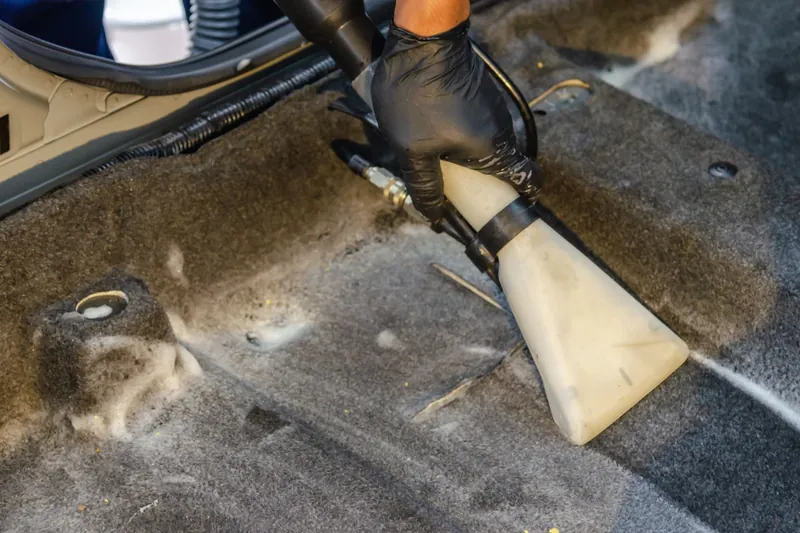
Carpet and upholstered items receive biohazard cleaning or are removed safely if necessary.
See biohazard carpet and upholstery cleaningThe virus that causes COVID-19 is a biological agent, so work in the presence of known illness calls for precautions against exposure. The specific category for cleanup varies by setting and by whether bodily fluids, regulated waste or blood are present too. Routine disinfection of surfaces differs from blood cleanup or hazardous waste removal.
Look for an EPA-registered disinfectant with a label permitting use for the virus in question or directing emerging viral pathogen use. Product strength or scent is less important than its label. For intended performance, follow the label's directions about surfaces, product dilution, application, protective equipment and contact time.
Determine whether the wood has a seal, then consult the furniture's care guidance and the disinfectant's label. A compatible product may be used on sealed wood after spot testing. Unfinished or delicate wood can stain, swell or lose its finish, so avoid soaking it. If labeling excludes the surface, use another approach compatible with that material.
Coverage is not automatic. Routine or preventive disinfection may count as maintenance under many policies, and treatment of another event depends on the policy. Call your insurance company, explain why the work is needed and ask about exclusions, the deductible and required records. Keep your photos and invoice, plus the product list and scope, so the claim can be checked.
The virus causing COVID-19 may be inactivated by alcohol when surface type, concentration and wet contact time are suitable. For hard surfaces, use an EPA-registered product or another product recommended by the surface maker, and follow its label. Never spray alcohol around flames or heat, and remember that wiping quickly may not allow adequate contact time.
Alcohol-based hand sanitizer can reduce germs on your hands when soap and water are not available. With a product of at least 60 percent alcohol, cover every surface of your hands and rub until dry. Hand sanitizer belongs on your hands rather than on electronic equipment, furniture or rooms. When your hands look dirty, wash them using water and soap.
Crews carry out respectful, discreet COVID-19 and virus disinfection, arrive in unmarked vehicles and take calls 24 hours a day.