Death Cleanup
Cleaning a home after someone dies, including fluids, odor and affected belongings.
See death cleanupGet decomposition fluids, affected materials and odor removed from a home, apartment, rental or business in Autumn View after officials release the property. Cleanup timing depends on the affected area and materials.
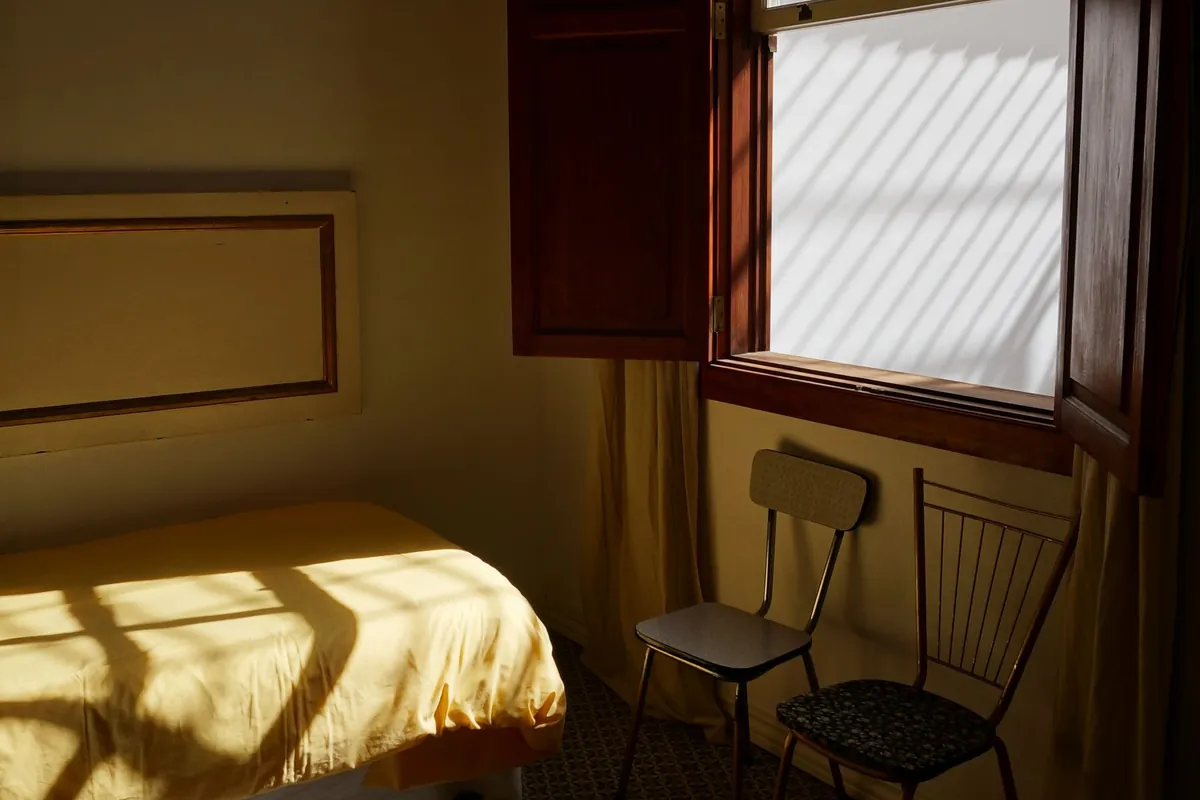
Unattended death cleanup is the removal of decomposition fluids, contaminated belongings and odor after a person has died and was not found right away, followed by cleaning and disinfection of the affected area.
Taking the person into care is the role of the funeral home or medical examiner, not cleaning the home. Following the official release, you or whoever is responsible for the property arranges cleanup. This may be described as post death cleanup or unattended death clean up. Another name is decomposition cleanup. The phrase biohazard clean up after death also applies.
The work looks past visible marks to determine how far contamination spread. Bedding, carpet and its pad may let bodily fluids through to flooring seams or subfloor, and material may settle alongside furniture or walls. Cleanup technicians trace that movement, discard items that cannot be completely cleaned and use an EPA-registered disinfectant on remaining surfaces for its label contact time. They also ready hazardous waste for disposal according to law.
The remediation process also includes odor removal. Treatment of remaining surfaces and air begins only after source removal. Your personal property outside affected areas can be separated for inspection or cleaned when that is appropriate. Repairs such as new flooring, baseboards or drywall usually begin after death scene cleanup is complete.
Day or night, calls are answered and crews arrive in unmarked vehicles. You do not have to walk through the room or explain sensitive circumstances to neighbors when arranging access.
You can organize the cleanup scope, disposal records and photos for landlords, managers or insurance companies. To move forward with restoration and insurance evaluation, use clear documentation.
You receive an explanation of findings, materials that must be removed, items that may remain and cost factors before cleanup. Questions can be answered at each stage.
Meaningful items such as photographs, papers and jewelry are separated whenever they can be safely reached. Whenever circumstances allow, you choose the treatment for belongings placed aside.
Unattended death cleanup services are needed when a death was undiscovered long enough for fluids or odor to affect the property. The setting changes, but the need to keep people away and trace contamination stays the same.
A landlord or property manager may arrange access after officials release the unit. The person with authority should decide what may be removed, preserved or cleaned before personal items are disturbed.
Fluids may penetrate the subfloor while odor reaches an adjoining wall or lower unit. Clear photographs and a specific work zone may be needed by the family, tenant, property manager and insurance company.
Vehicle carpeting, cushions, seats and panels may absorb bodily fluids. The assessment determines whether each piece can be cleaned or must be removed for proper biohazard remediation.
Access can be difficult when heavy possessions cover contaminated areas. Death cleanup must align with hoarding cleanup to keep affected items apart from possessions that may be inspected.
First, wait until officials release the property and do not enter the affected space. Following these steps helps protect you and others, preserve the investigation, and support a potential insurance claim.
Call (888) 351-0904Published guides show that many unattended death cleanups cost $2,000 to $7,000. For a recent case limited to one room, the range may be $2,000 to $5,000. When discovery comes after one to two weeks, costs may run $8,000 to $18,000. An on-site assessment determines the final price based on elapsed time, penetration by fluids, affected materials, waste volume and odor treatment.
These ranges come from published national cost guides, not from a site visit. After an on-site assessment, the price for your property is determined and shared with you before cleanup begins.
Ask about cost: (888) 351-0904Insurance for a home, rental or commercial property may cover cleanup after an unattended death. The cause of the loss and the policy's exclusions, deductible and other terms determine coverage.
When you call the insurance company, ask specifically about cleanup involving biohazard remediation, affected material removal, odor treatment and repairs. Keep the claim number and ask before discarding property.
Homeowners or renters insurance, the estate or the property owner usually pays for this kind of cleanup. The Tennessee crime victim compensation program helps only when a crime caused the loss.
Payment arrangements reflect policy details, the lease and property ownership responsibilities. A landlord may coordinate work in the building while a tenant's policy may apply to personal property.
Find out which records your adjuster requires. Itemized work details, assessment images, disposal documentation and notes on removed items may support the insurance company's claim evaluation.
The unattended death cleanup process moves in a controlled order, from release and assessment through removal, disinfection, odor treatment and final records. Every step depends on what the assessment finds.
After confirming release, technicians coordinate entry with you, inspect the affected area and surrounding spaces, document findings, and identify required work.
Separation keeps the cleanup zone apart from clean property areas. Barriers, protected flooring and managed airflow reduce movement along shared areas and hallways.
Cleanup technicians use protective clothing, gloves, eye protection and respiratory protection suited to the work. OSHA Bloodborne Pathogens Standard 29 CFR 1910.1030 covers workers who may contact blood.
Controlled sections of carpet, padding, bedding, furniture, drywall or flooring are removed when complete disinfection is not possible. Personal property outside the contamination is separated so you can examine it.
Remaining hard surfaces are cleaned first, then treated with an EPA-registered disinfectant for the full contact time stated on its label. Adjoining surfaces and small gaps are included.
Odor work follows removal of the affected source. Methods such as hydroxyl treatment or HEPA air scrubbers may be chosen based on the room and materials left inside.
A planned path is used to move contaminated materials secured inside appropriate containers. You can store disposal documentation alongside insurance records and cleanup images.
Inspection of the work zone follows odor treatment and cleaning. You receive documentation of finished work, after which restoration services can begin on damaged finish materials.
Call any hour. A specialist in unattended death cleanup takes your call, explains each step and agrees on a start time with you.
An unattended death may result in contaminated porous materials along with bodily fluids. Safe work calls for protective equipment, removal under controlled conditions and thorough disinfection.
Blood and some bodily fluids can carry bloodborne pathogens. The CDC states that surface survival for hepatitis B can reach at least seven days. Do not make direct contact or consider dried contamination harmless.
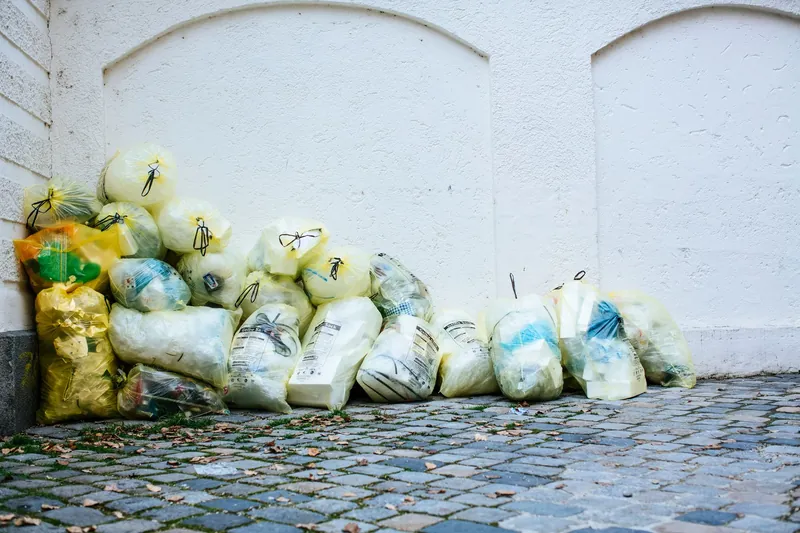
Affected flooring, bedding, carpet and other removed materials may be subject to regulated disposal, transport and packaging. They should not be placed loosely in household trash or carried through clean rooms.
Fluid may soak through carpet and padding to the subfloor, move under baseboards, or enter furniture seams. Cleaning only the visible mark can leave contaminated materials and odor behind.
Can you clean it yourself? An unattended death is not a small household spill. Leave the affected area untouched, unsprayed and unvacuumed. Keep the room closed, avoid tracking material into surrounding areas, and wait until law enforcement or the medical examiner releases the property before arranging professional cleanup.
A material is kept when its exposed surfaces can be reached and fully cleaned. A porous item is removed when decomposition fluids entered it and effective disinfection is not possible.
Federal OSHA Bloodborne Pathogens Standard 29 CFR 1910.1030 covers employee training, protective equipment, exposure control and practices for work with possible blood contact.
The target organism requires a disinfectant registered by the EPA and used in accordance with its label. For the complete listed contact time, the treated surface has to stay wet.
Tennessee treats soaked materials from a biohazard scene as medical waste, a type of special waste. Rules from the Department of Environment and Conservation's Division of Solid Waste Management control its treatment and disposal, so it cannot go in household trash.
Tennessee uses a mix of state and county medical examiners, with county medical examiners investigating deaths and the Office of the State Chief Medical Examiner supporting them. Cleanup starts after police or the medical examiner release the scene.
A limited cleanup after an unattended death may require about one day when only one room is involved. Subfloor removal, extensive treatment for odor or contamination across several areas can extend the work to several days. You receive the clearest timing after the on-site assessment.
The full unattended death cleanup guide covers what is cleaned or removed, odor and air quality work, and the rules that apply in Tennessee and Davidson County.
Read the full unattended death cleanup guideLocal population patterns, housing and site access may affect how containment and cleanup are planned.
If direct exposure occurs, the closest listed emergency option is Tristar Southern Hills Medical Center, about 5.2 miles away, not the cleanup site.
The nearby places of Concord Hills, Indian Creek Estates, and Autumn Oaks give useful orientation when arranging equipment delivery and waste pickup.
Neighborhood level directions help narrow the location, but crews still need entrance details before bringing containment and cleaning equipment inside.
During your call, ask whether cleanup is available in surrounding communities and ZIP codes.
Cleaning a home after someone dies, including fluids, odor and affected belongings.
See death cleanup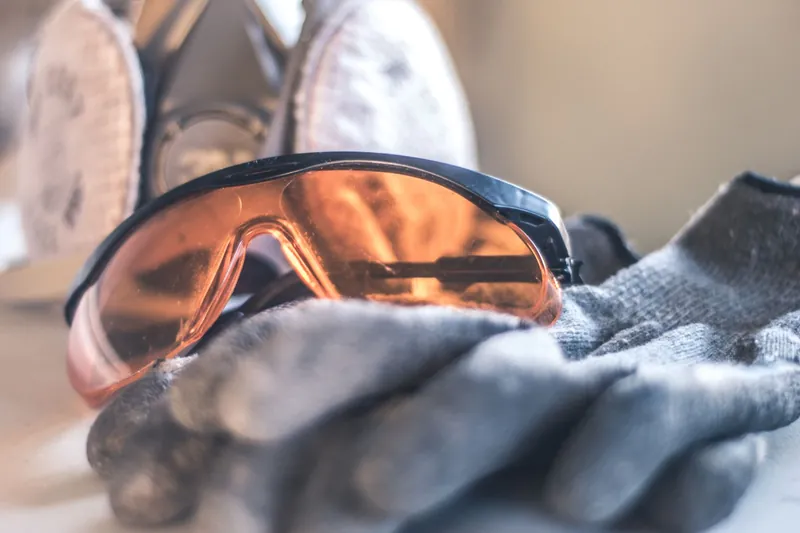
Cleanup clears fluids from decomposition out of floors, subfloors and furnishings.
See decomposition cleanup
Death odor removal at the source with air scrubbers, hydroxyl and ozone treatment.
See death odor removal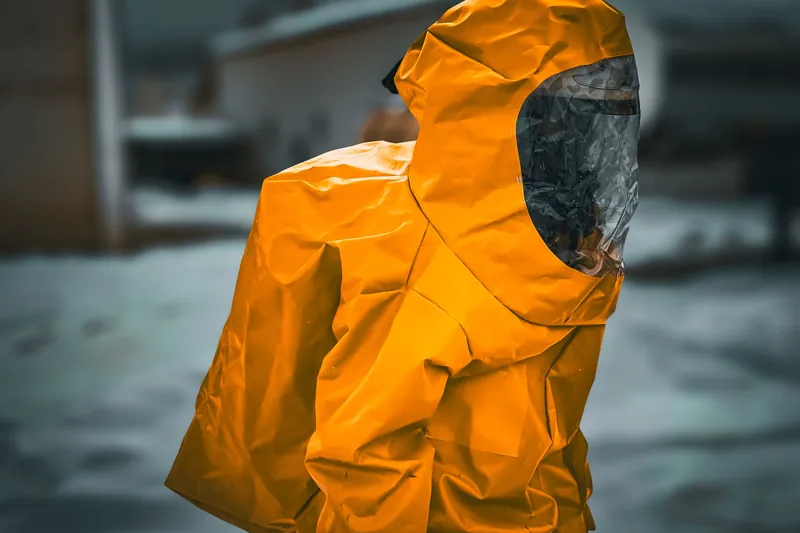
Cleanup removes infectious material, including blood and body fluids, and disinfects the property.
See biohazard cleanup
Trauma scene cleanup addresses the aftermath of accidents, injuries and violent incidents.
See trauma scene cleanup
Carpet, solid floors, walls and furnishings receive blood cleanup that includes safe disposal.
See blood cleanup
Deep cleaning, respectful sorting and removal are all part of hoarding cleanup.
See hoarding cleanup
Suicide cleanup is completed privately and with care, protecting families from seeing the scene.
See suicide cleanupA small affected space could require about one day. A one-room cleanup involving carpet, pad or subfloor removal can last one to three days, while several affected areas may take longer. The post-assessment schedule depends on access, fluid penetration, odor spread, personal property and total waste.
Yes, but the contaminated source must first be located and removed. Once source removal is complete, remaining surfaces are cleaned and disinfected before air treatment is chosen for the room. Carpet pad, subfloor, wall gaps, furniture and HVAC areas may need inspection. Fragrance cannot substitute for remediation because it leaves the source in place.
Do not enter or attempt cleaning on your own. Professional work starts by containing the area and evaluating contamination that is visible or hidden. Technicians remove fluid-affected porous materials and clean hard surfaces. They then observe the full contact time for an EPA-registered disinfectant, address source odor and record waste disposal.
Published guides place many cases between $2,000 and $7,000. A recent one-room case may be $2,000 to $5,000, while discovery after one to two weeks may cost $8,000 to $18,000. The on-site assessment covers waste volume, odor treatment, material penetration and time before discovery.
You or an authorized representative usually needs to arrange access and approve the scope, but you do not need to remain near the affected room. Details, photos and personal property decisions can often be reviewed from another location. Tell the cleanup technicians about important belongings before removal begins.
Coverage is possible based on policy terms, the loss cause, exclusions and your deductible. Notify the insurer of the loss and ask about restoration, odor treatment, removal of contaminated materials and biohazard remediation. Retain photos, disposal records, work details and the claim number, then consult your adjuster before throwing away affected belongings.
You can request respectful, discreet unattended death cleanup 24 hours a day, and crews use unmarked vehicles.